koa.xyz | Las Awichas and the computational creativity lab, Cochabamba
koa@lab:~$ koafetch
latest Six dancers, one music 21 November 2026
computational creativity · Cochabamba, Bolivia · run by Violeta Ayala & Dan Fallshaw
Latest 8
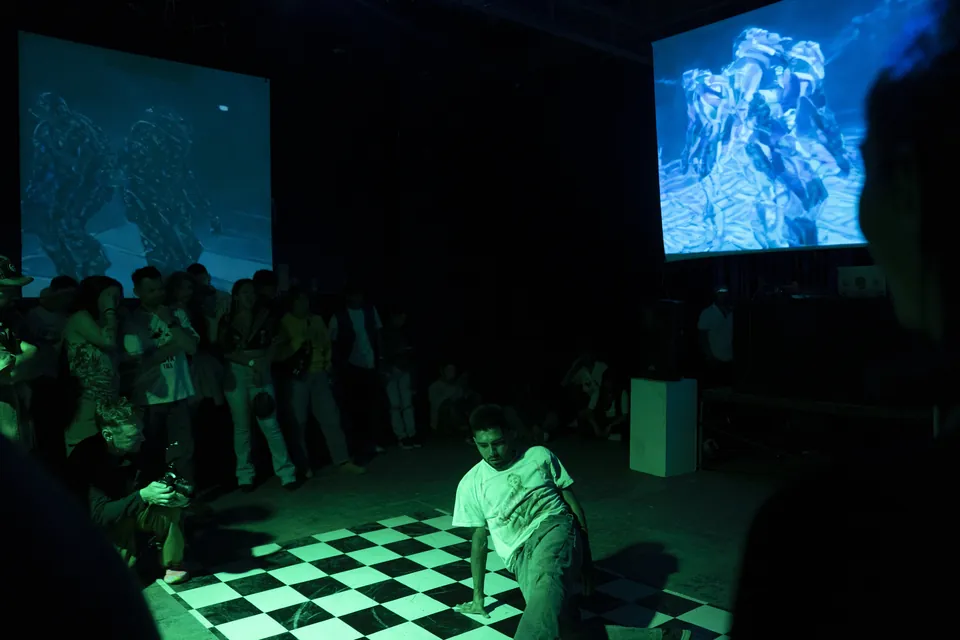
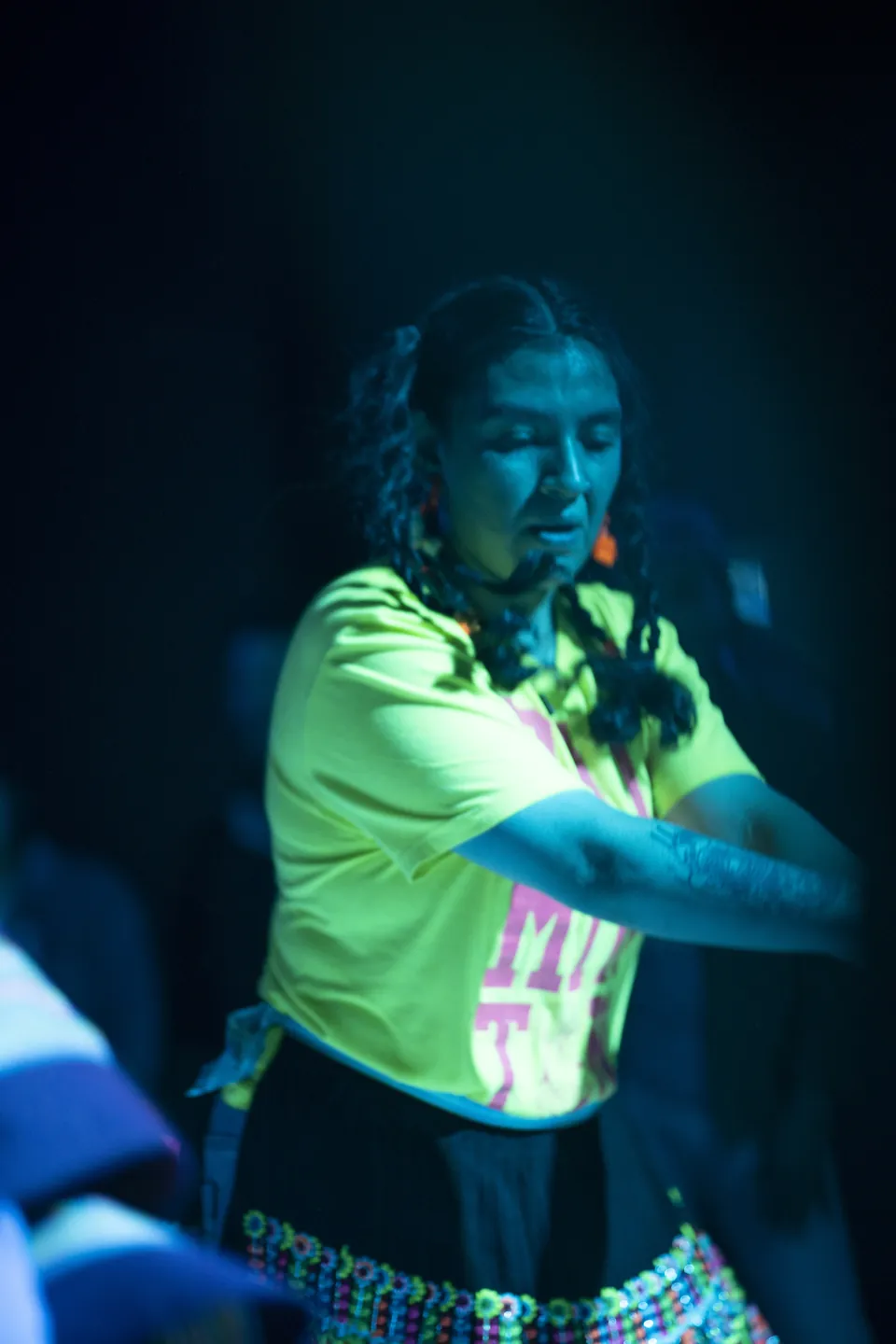
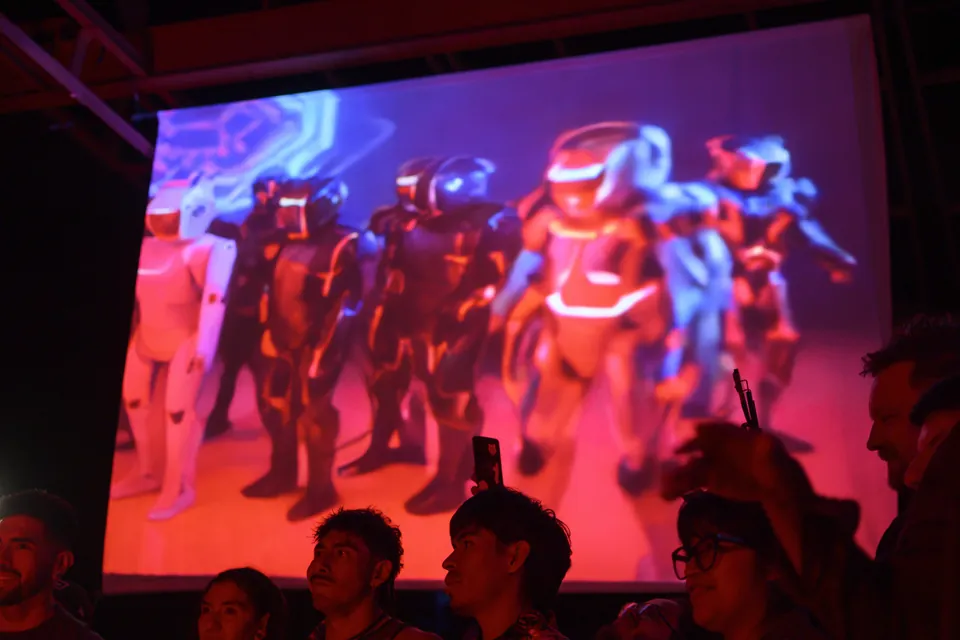
 Six dancers, one music21 November 2026 · Paqarina
 Paqarina’s new model dances with the energy of its dancers20 November 2026 · Paqarina
 A community can take its own dances to a robot17 November 2026 · Paqarina
 A dancing robot still needs a person to decide17 November 2026 · Paqarina
 A robot learns the kullawada17 November 2026 · Paqarina
 A robot's dance has to begin in a pose the robot can stand in17 November 2026 · Paqarina
 For a robot, choreography is a planning problem17 November 2026 · Paqarina
 Jev, Laya, CatDecide and a model of her own17 November 2026 · Yakumama
Las Awichas 7
 Las Awichaskoa.xyz › las-awichas
 GLOW, King's College London, 2024koa.xyz › las-awichas
 jaguar.glbkoa.xyz › jaguar.glb
 All the Awichas, the portraitskoa.xyz › las-awichas/portraits
 El Martadero, Cochabamba, 2022koa.xyz › las-awichas
 SURREALITY, HKUST, Guangzhou, 2025koa.xyz › las-awichas
 Las Awichas at GLOW, the Strandkoa.xyz › las-awichas
Huk 12
 Hukkoa.xyz › Huk
 Huk the Jaguaress among pitcher plantskoa.xyz › huk
 Huk the Jaguaress, moss and lightkoa.xyz › huk
 Huk's system on one sheetkoa.xyz › huk
 The articulated print, August 2024koa.xyz › huk
 Projected light, CPH:DOXkoa.xyz › huk
 The silver jaguar in Blenderkoa.xyz › huk
 Huk's creatures, rigged to move with a bodykoa.xyz › huk
 The plan of the roomkoa.xyz › huk
 Huk the Jaguaress in Copenhagen, 2025koa.xyz › huk
 Huk the Jaguaress in TouchDesignerkoa.xyz › huk
 First prints, July 2024koa.xyz › huk
Paqarina 8
 Paqarinakoa.xyz › paqarina
 Tinku, in the archivekoa.xyz › paqarina
 Kullawada. Cuaderno 01koa.xyz › kullawada.html
 Four cameras, one takekoa.xyz › paqarina
 A robot learns to dancekoa.xyz › paqarina
 Acta 01. Primera reunión de equipokoa.xyz › acta-01.html
 The Paqarina appkoa.xyz › paqarina
 The dances, as the model sees themkoa.xyz › paqarina
Yakumama 5
Todo Nace 4
Lab notes 36
Paqarina’s new model dances with the energy of its dancerskoa.xyz › research › 2026-11-20A community can take its own dances to a robotkoa.xyz › research › 2026-11-17A dancing robot still needs a person to decidekoa.xyz › research › 2026-11-17A robot learns the kullawadakoa.xyz › research › 2026-11-17A robot's dance has to begin in a pose the robot can stand inkoa.xyz › research › 2026-11-17For a robot, choreography is a planning problemkoa.xyz › research › 2026-11-17Jev, Laya, CatDecide and a model of her ownkoa.xyz › research › 2026-11-17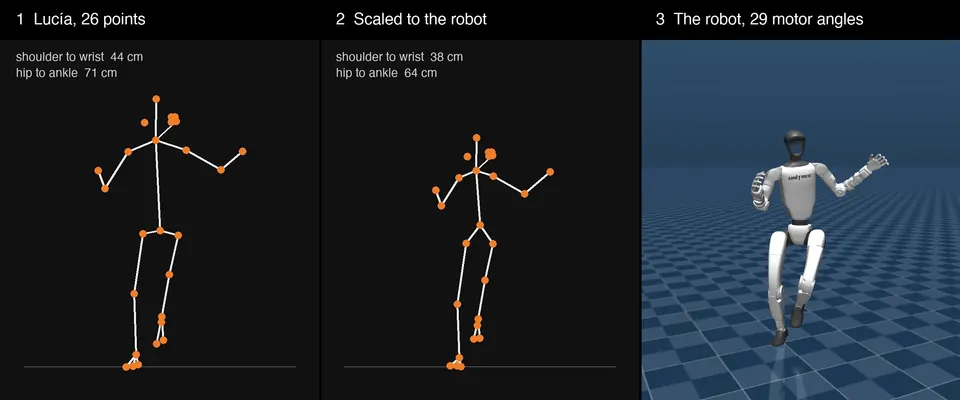 Paqarina generates the dances it learned, for an avatar and for a robotkoa.xyz › research › 2026-11-17
 Two programs cannot drive one robot at the same timekoa.xyz › research › 2026-11-17
 Yakumama at MozFest: what three days in Barcelona taught herkoa.xyz › research › 2026-11-16
 Yakumama draws and reads her poems for those who staykoa.xyz › research › 2026-11-16
 Yakumama feels her fins, chooses her sound, and dies on Marskoa.xyz › research › 2026-10-24
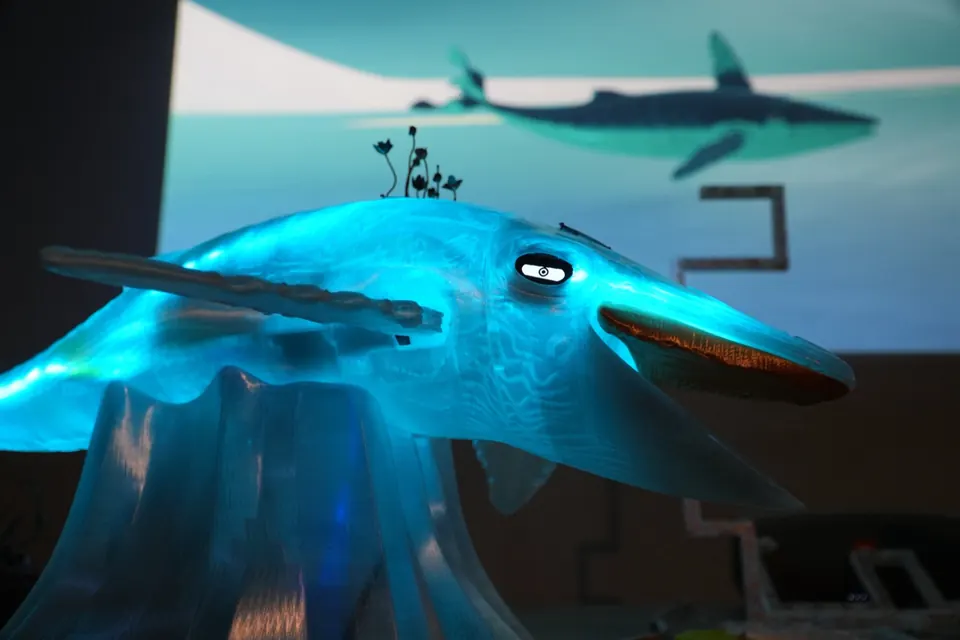 Yakumama feels her own finskoa.xyz › research › 2026-10-23
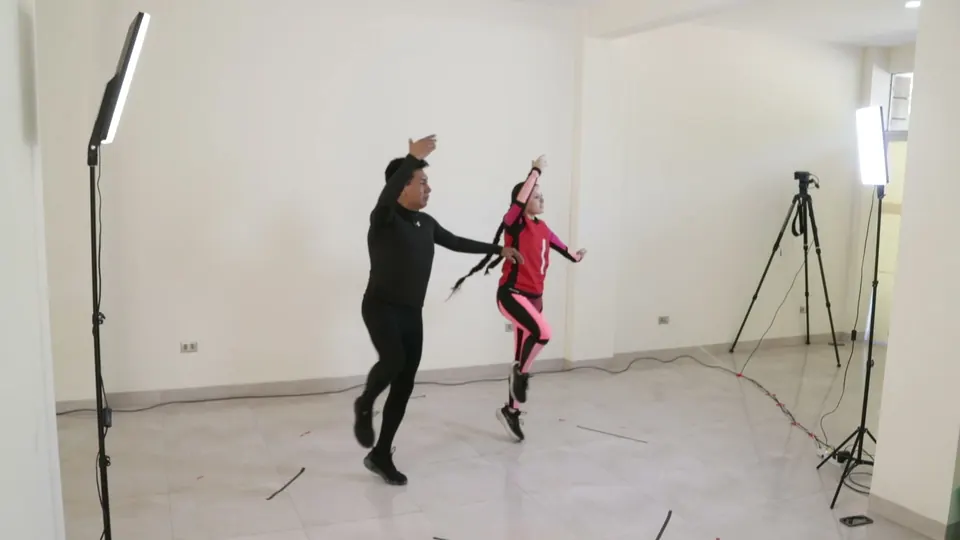 Paqarina: teaching a robot to dance Boliviankoa.xyz › research › 2026-10-22
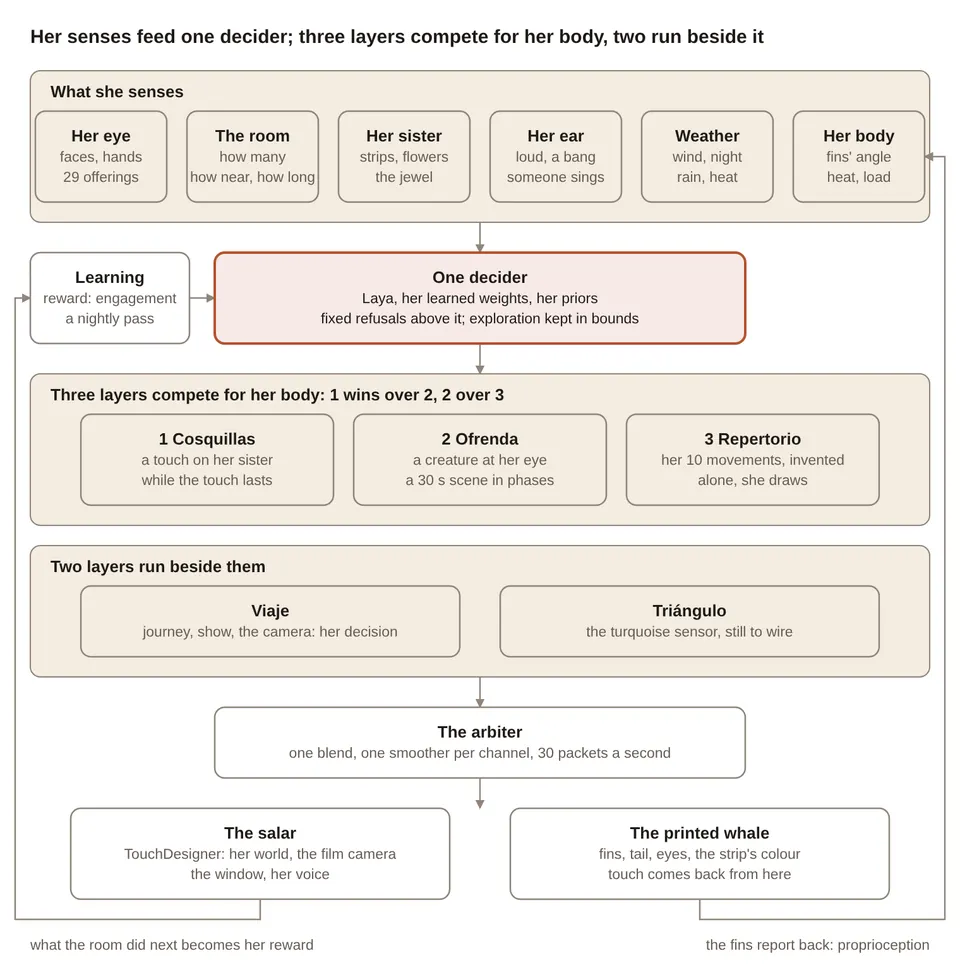 Yakumama: one decider and a body that reports backkoa.xyz › research › 2026-10-22
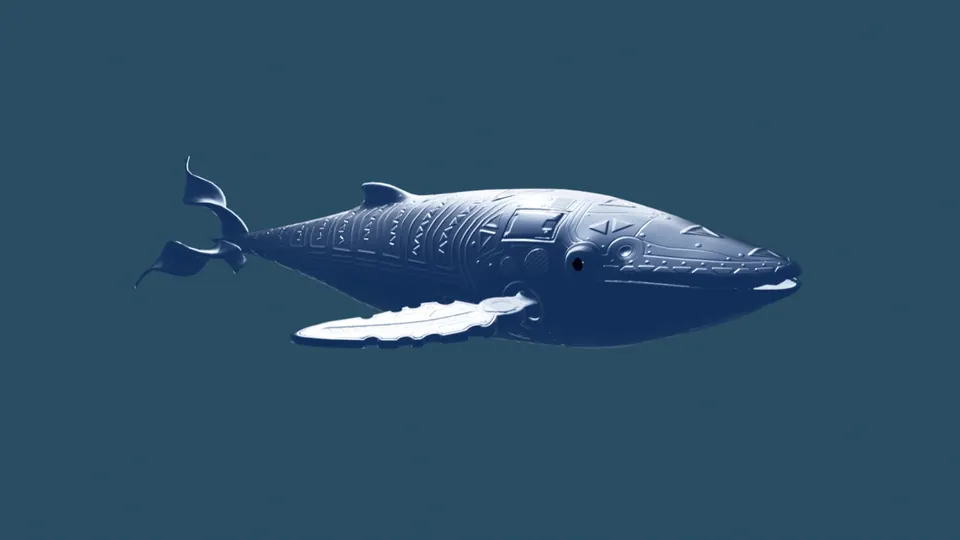 Yakumama, the story so farkoa.xyz › research › 2026-10-22
koa@lab:~$ cat jaguaress-skeleton.txtThe jaguaress learns her own skeletonkoa.xyz › research › 2026-06-02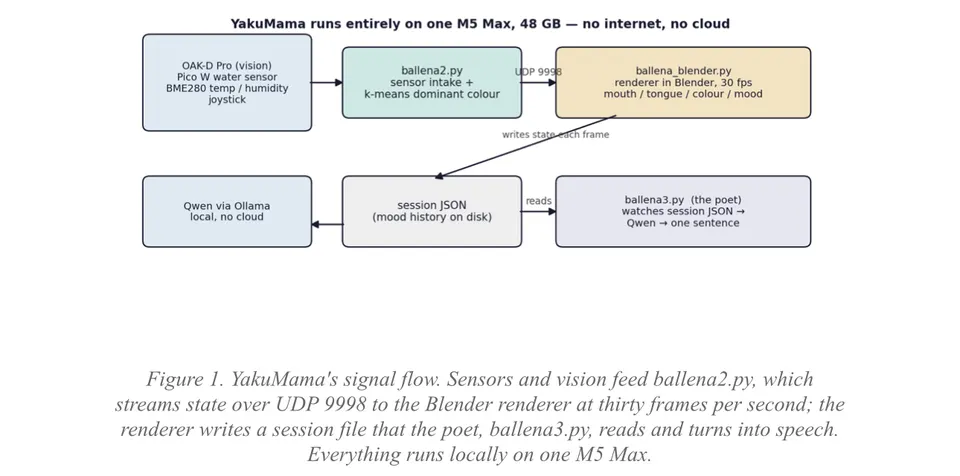 The whale that watches backkoa.xyz › research › 2026-05-26
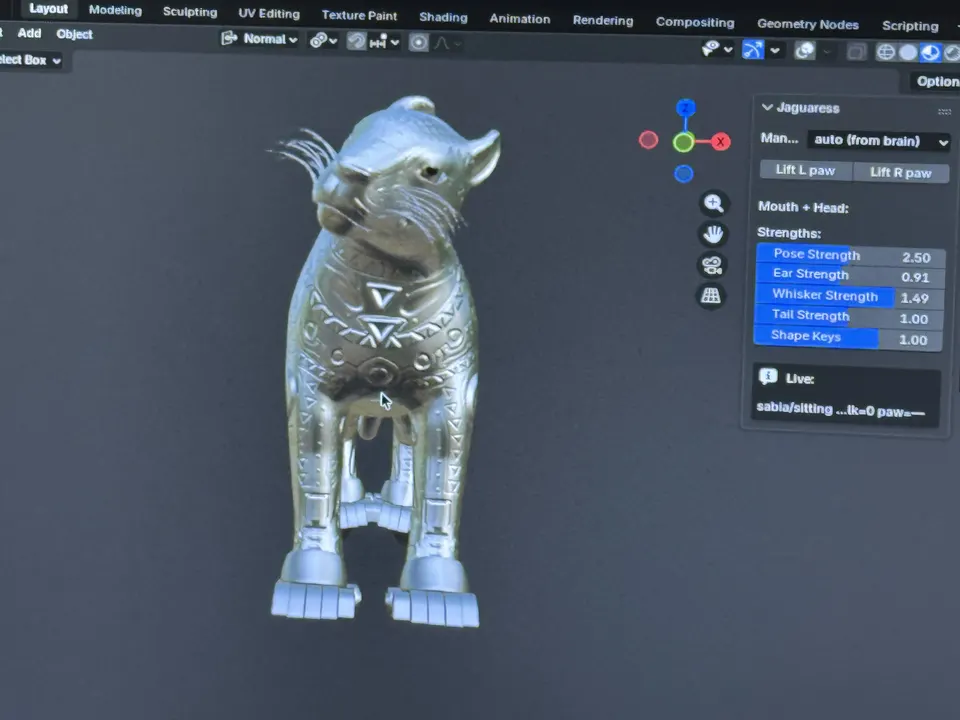 The body decides the interfacekoa.xyz › research › 2026-05-22
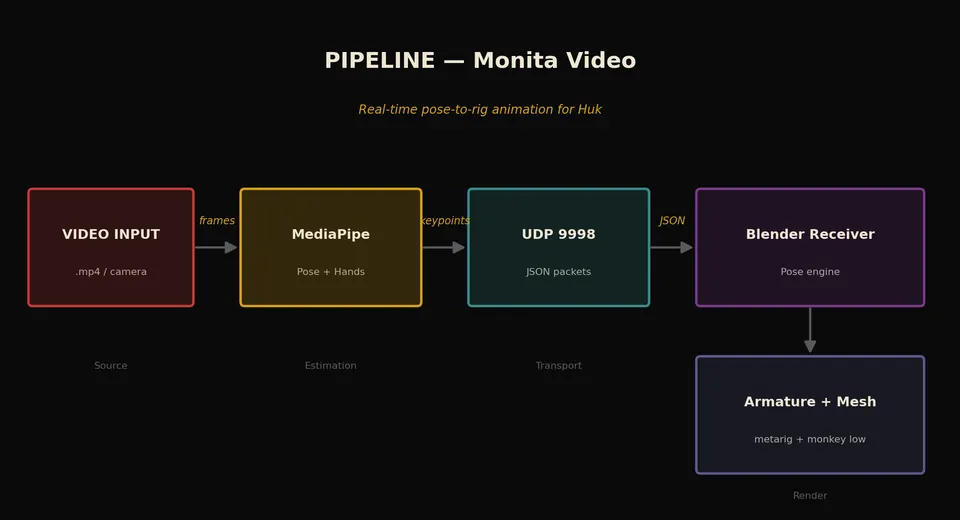 The monkey learns the shape of its own bodykoa.xyz › research › 2026-05-19
koa@lab:~$ cat monkey-moves.txtThe monkey learns to move: quaternions, humanoid puppeteeringkoa.xyz › research › 2026-05-09koa@lab:~$ cat llama-feels.txtThe llama learns to feel, the model learns to listen, and Yakumama is bornkoa.xyz › research › 2026-05-06koa@lab:~$ cat heartbeat-flower.txtWhen the heartbeat moves the flowerkoa.xyz › research › 2026-04-28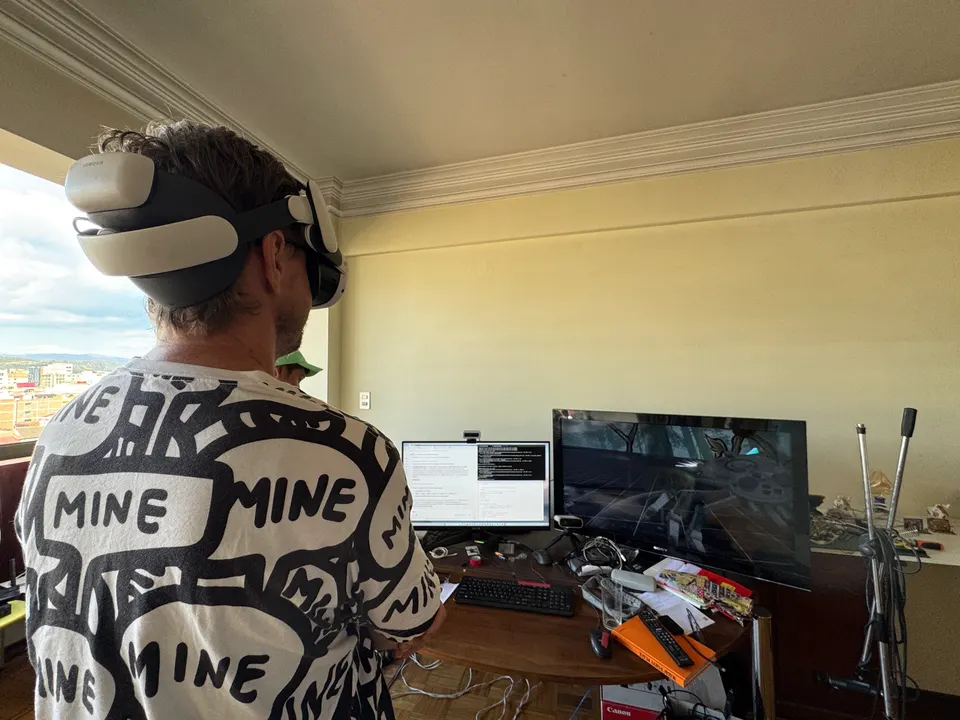 The spider learns to weave, the gecko learns to feel, and SIGGRAPH callskoa.xyz › research › 2026-04-25
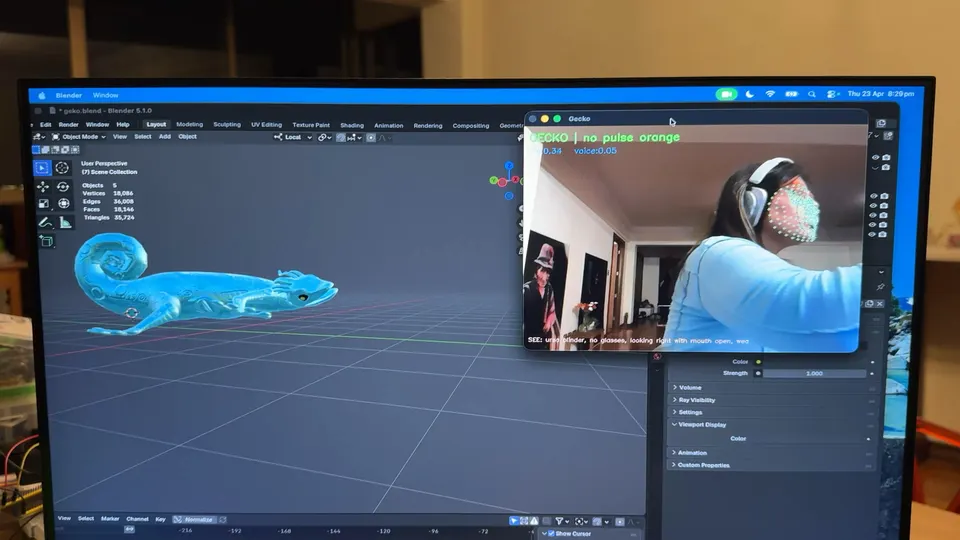 The gecko learns to feel, Qwen 3.6 finds its voice, and the recording beginskoa.xyz › research › 2026-04-18
koa@lab:~$ cat 15-creatures.txt15 creatures, 14 pipelines and a platform-agnostic brainkoa.xyz › research › 2026-04-17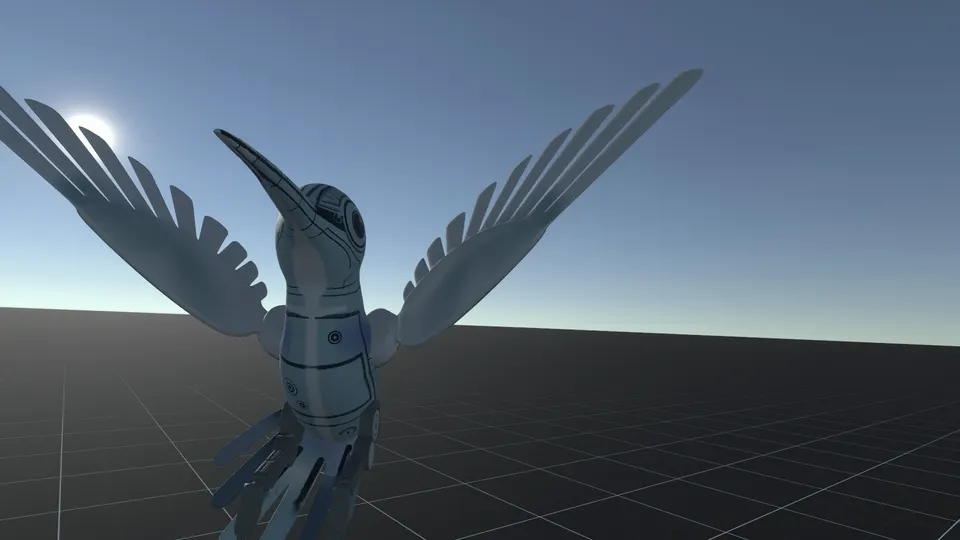 The water lily learns to breathe, the sundew counts fingers, and the pipeline moves to WebSocketkoa.xyz › research › 2026-04-10
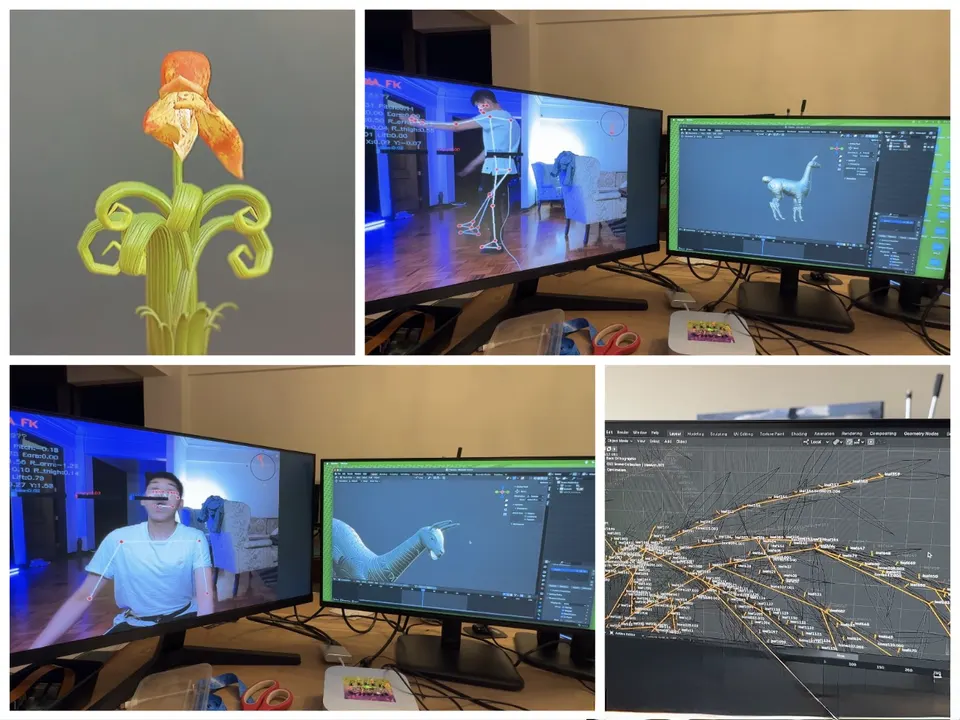 The tree learns fear, the orchid mourns fire, and the llama finds stillnesskoa.xyz › research › 2026-03-30
koa@lab:~$ cat gyroscope.txtThe $2 gyroscope that solved what the neural network couldn’tkoa.xyz › research › 2026-03-21koa@lab:~$ cat embodied-intelligence.txtToward embodied intelligence for nonhuman characterskoa.xyz › research › 2026-03-14koa@lab:~$ cat somatic-puppeteering.txtSomatic puppeteering across plants, birds and heartbeatskoa.xyz › research › 2026-03-08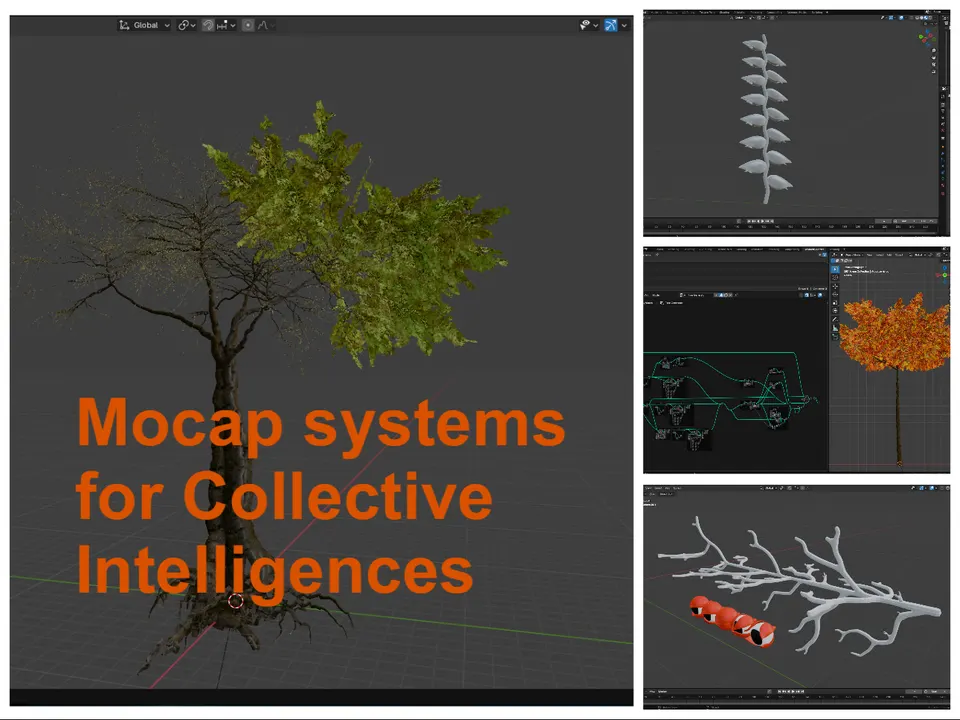 From documentary to living systemskoa.xyz › research › 2025-11-15
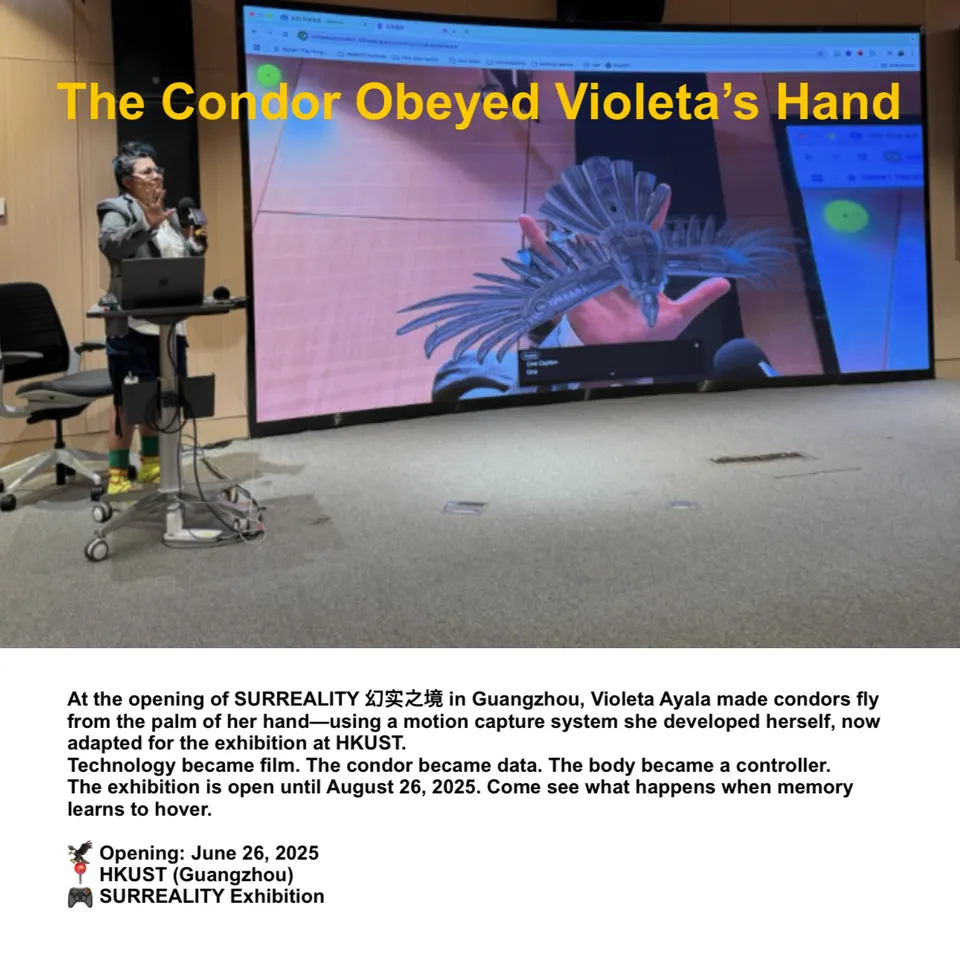 The condor obeyed Violeta’s handkoa.xyz › research › 2025-06-26
koa@lab:~$ cat building-huk.txtBuilding Huk V1.0: a digital deity for the burning Amazonkoa.xyz › research › 2025-04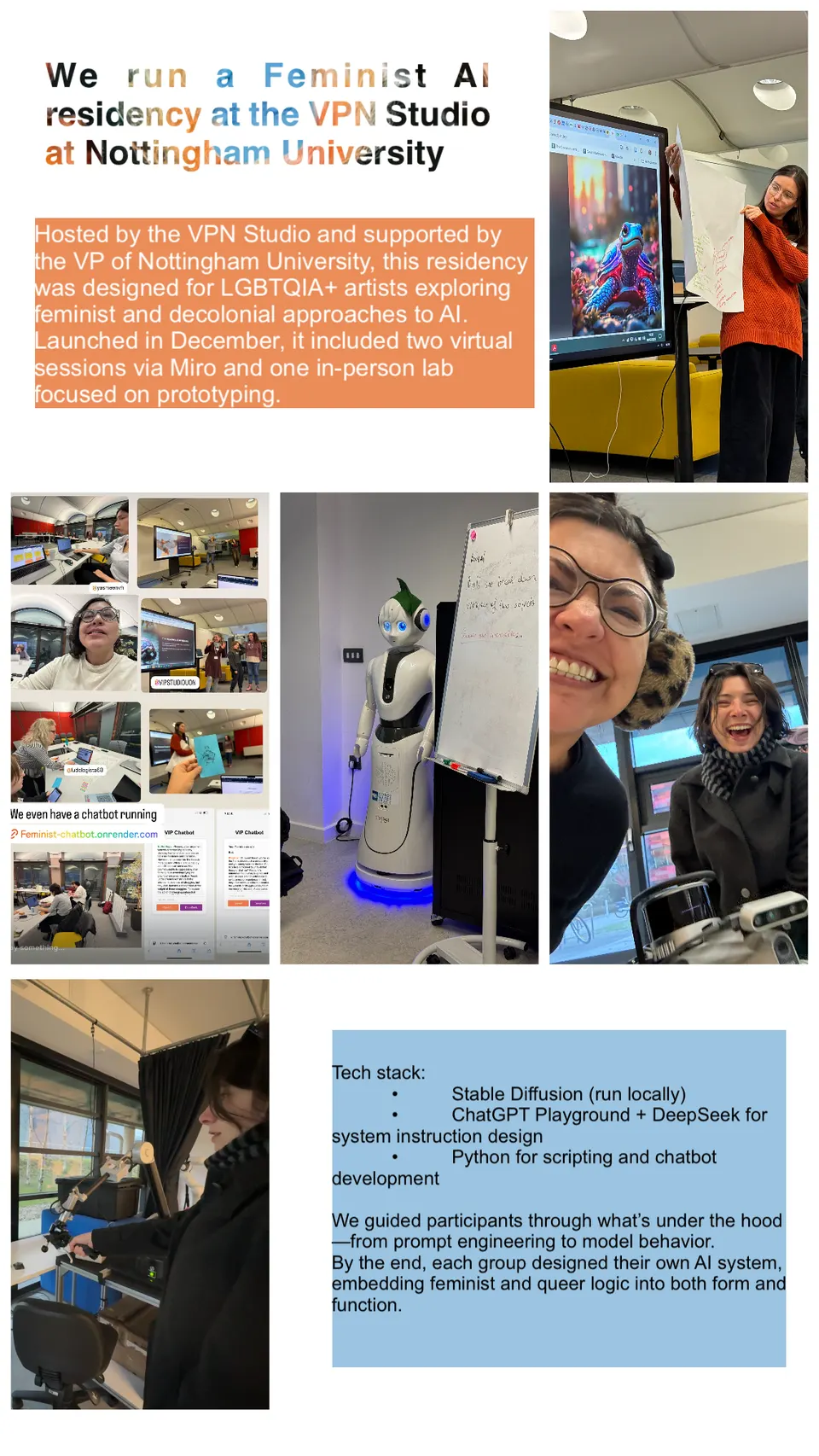 Two machines, one question: feminist AI at the VIP Studiokoa.xyz › research › 2025-02-12
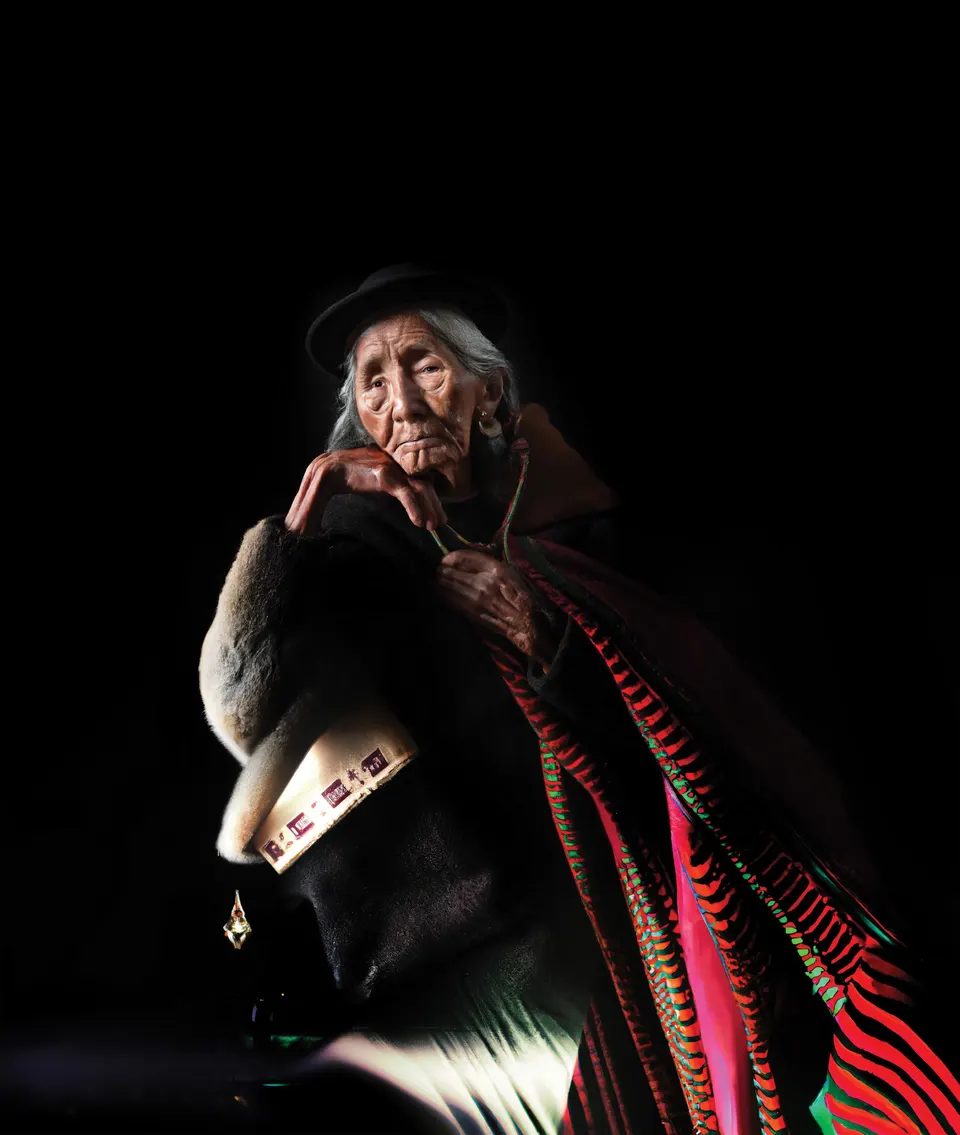 Las Awichas selected for the major GLoW3 exhibition in Londonkoa.xyz › research › 2023-08
Experiments 13
 Experimentskoa.xyz › experiments
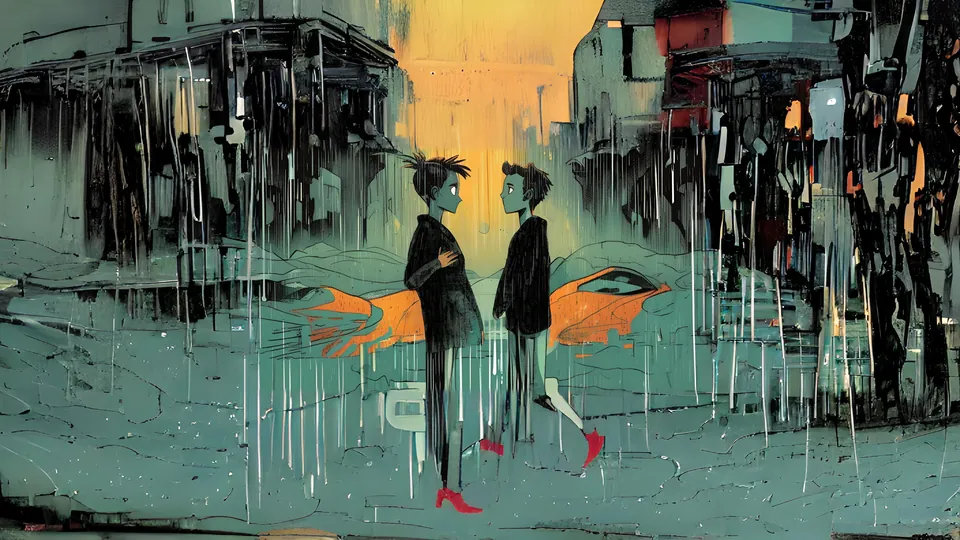 Lluviakoa.xyz › rain
 Paper Peoplekoa.xyz › paper-people
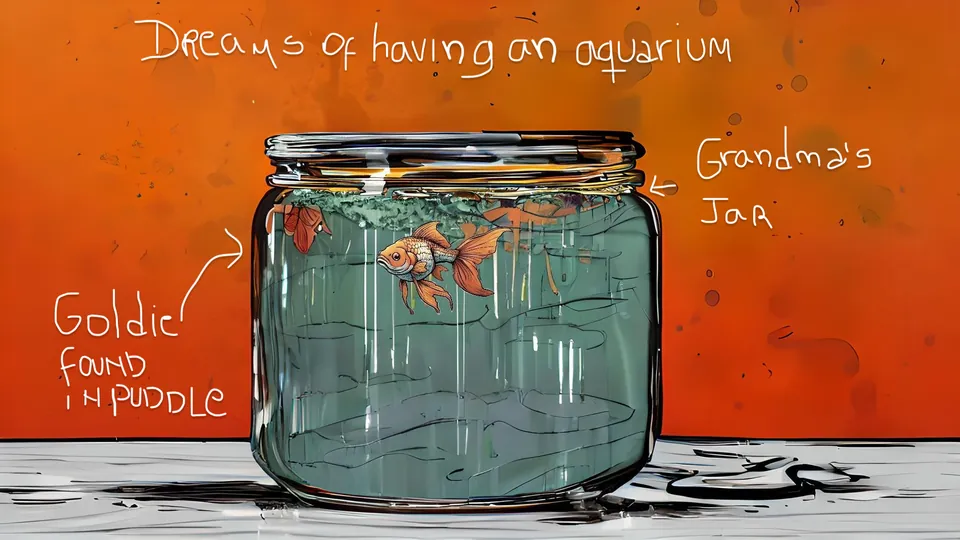 Lluvia: a goldfish in grandma's jarkoa.xyz › rain
 Flower Stampskoa.xyz › flower-stamps.html
 Video wallskoa.xyz › video-walls
 Lluvia: the rabbit mother and her cat spieskoa.xyz › rainInteractive Neon Poemkoa.xyz › neon-poem.html
 Kaleidoscopic Penskoa.xyz › kaleidoscopic-pens.html
 Lluvia: 1995koa.xyz › rain
 Thread Fallkoa.xyz › thread-fall.html
koa@lab:~$ cat co-creation-lab.txtCochabamba, 31 May 2025.Computational Creativity Co-Creation Labkoa.xyz › co-creation-lab.txt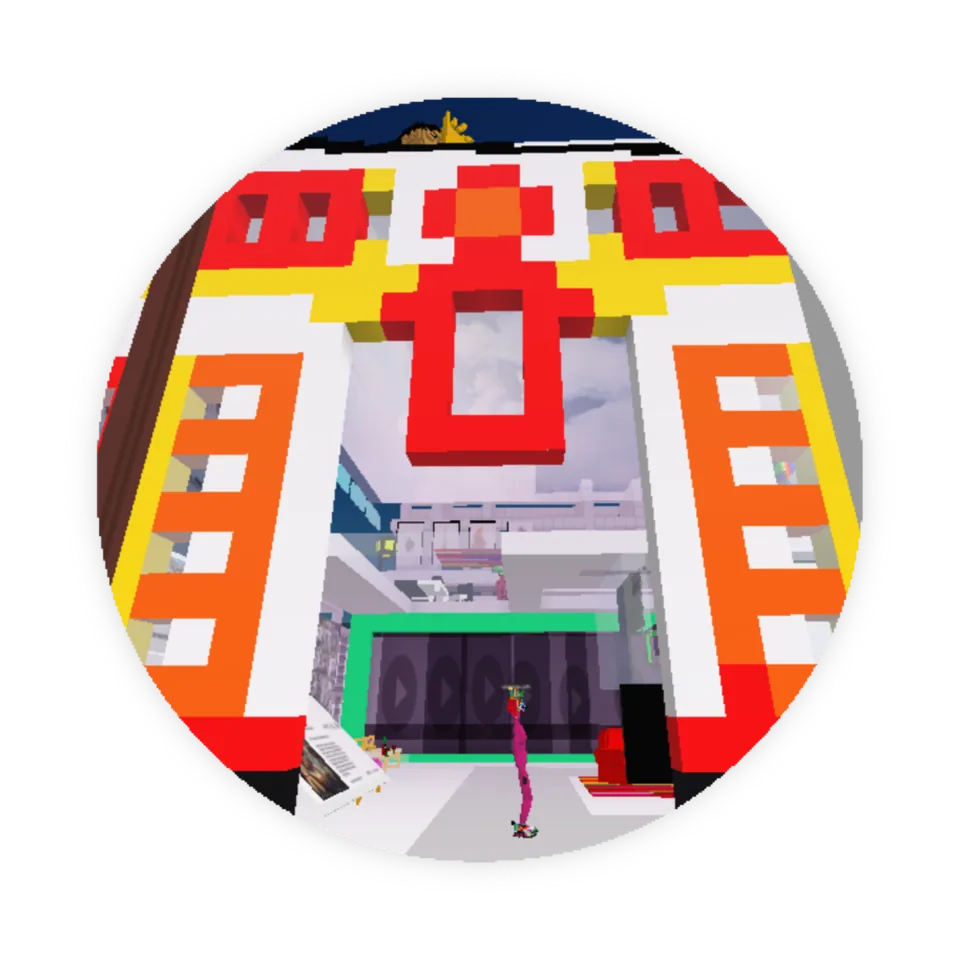 KOA.XYZ in Voxels, 2021koa.xyz › koa-world.vox
The lab 4
koa@lab:~$ cat koa.txtkoa.xyz is a computational creativity lab in Cochabamba, Bolivia, run by Violeta Ayala and Dan Fallshaw.koa.txtkoa.xyz › koa.txt Violeta Ayalakoa.xyz › violeta-ayala.txt
 Dan Fallshawkoa.xyz › dan-fallshaw.txt
koa@lab:~$ cat contact.txtVioleta Ayala: v@unf.red. Dan Fallshaw: dan@unf.red.contact.txtkoa.xyz › contact.txtNothing in the lab by that name.
koa.txt
koa@lab
- lab
- computational creativity
- place
- Cochabamba, Bolivia
- run by
- Violeta Ayala & Dan Fallshaw
- work
- Las Awichas · Huk · Paqarina
- notes
- 36 lab notes
- threads
koa.xyz is a computational creativity lab in Cochabamba, Bolivia, run by Violeta Ayala and Dan Fallshaw.
K'oa is an Andean ceremony of reciprocity to the Pachamama, Mother Earth.
The lab began in 2021 as KOA.XYZ, a world in Voxels where we started building the Neo-Andean metaverse. Today it makes creatures, worlds and live experiments with artificial intelligence, robotics, augmented reality, code and paper.
Our models run locally. Our own computers, our own energy. Our data, our rules.
Everything on this desk opens. We also have a 3D printer. We build our own sensors, our robots and our datasets.
Las Awichas
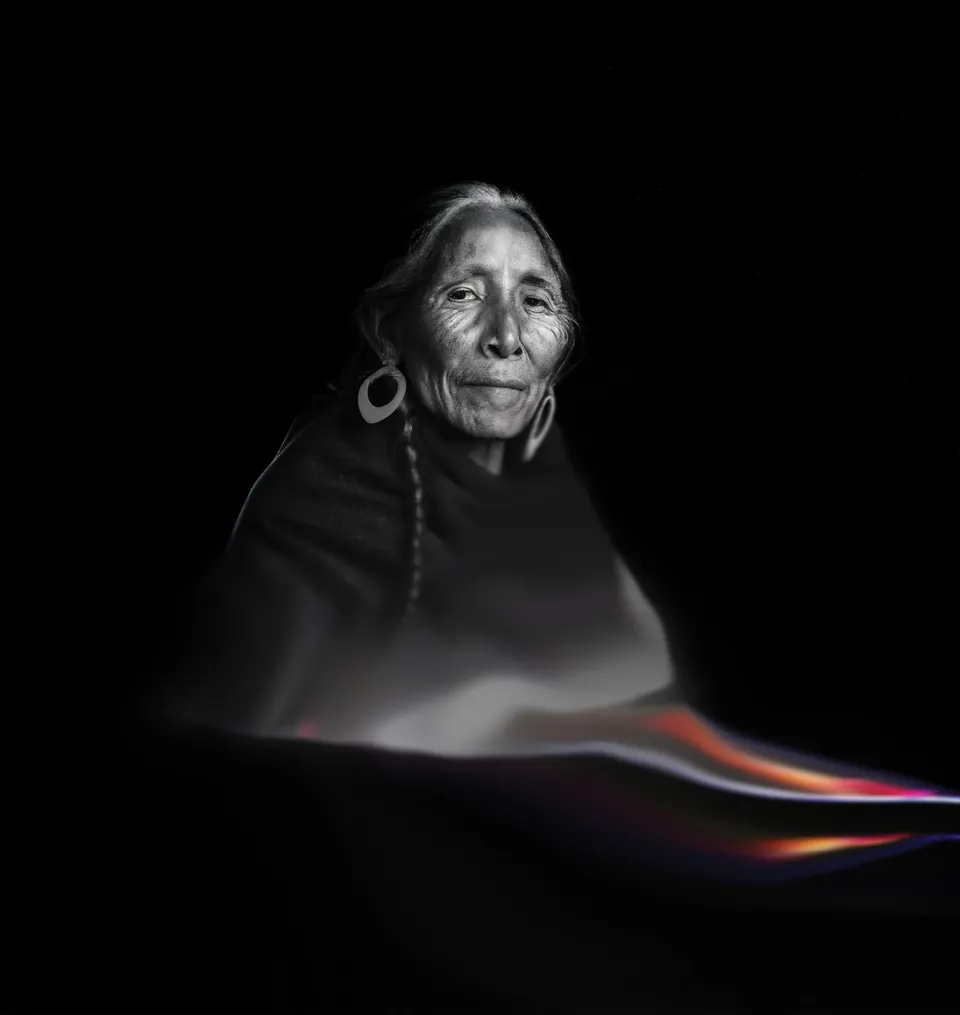
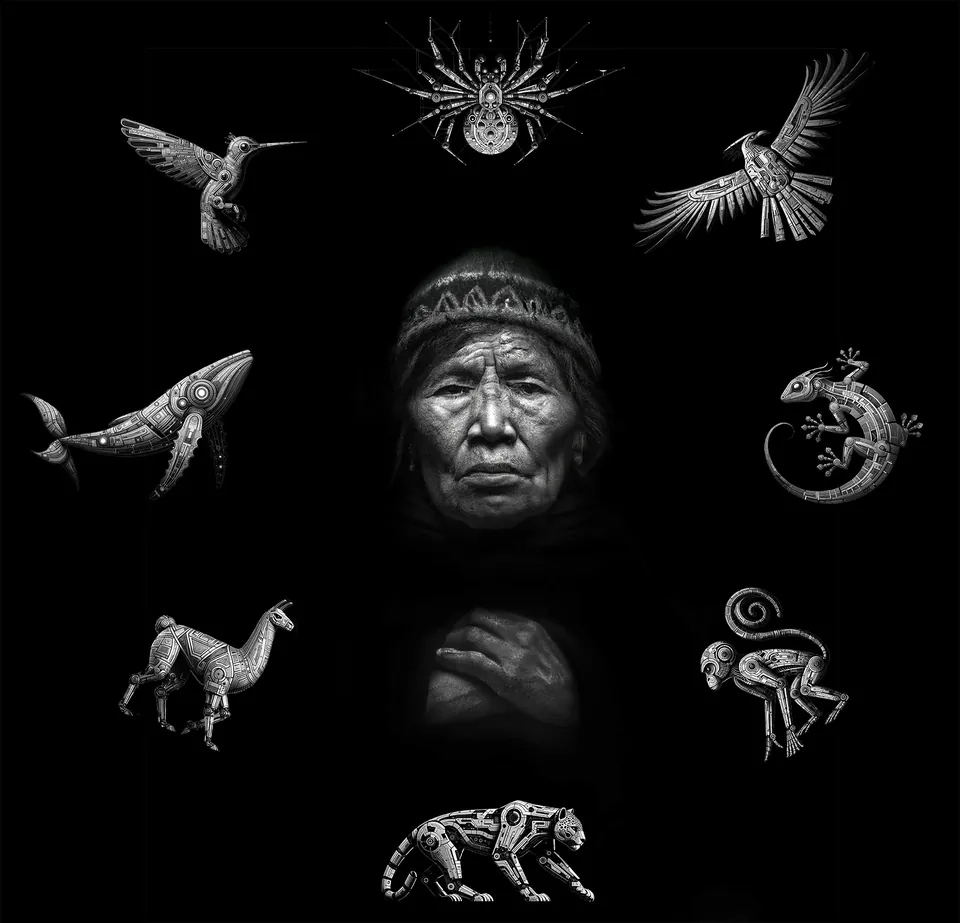
In Quechua, pacha means time and place at once. Ñawpa pacha, the time in front, is the past we can see. Qhipa pacha, the time behind, is the future we cannot see yet. Las Awichas live in ñawpa pacha. Awicha means grandmother, and these are mine, returned through post-photography. More than 20,000 years ago, they walked across the land where the Bering Strait is today and became the first people of our continent.
Eight grandmothers made with AI, each with an Andean spirit animal inspired by the Nazca Lines: gecko, spider, llama, monkey, ancient whale, hummingbird, condor and jaguar. They weave magic into robotic animals who answer your hands and your voice.
Las Awichas has lived in Cochabamba, London, Guangzhou and New York. In 2025 it won Best Interactive Experience at the Australian International Documentary Conference in Melbourne.
Huk
Violeta Ayala is expanding Huk into a collective intelligence model, where Indigenous AI, dance, affective computing and ecology meet, with Mila and Abundant Intelligences in Montreal.
Huk the Jaguaress is one work inside Huk.
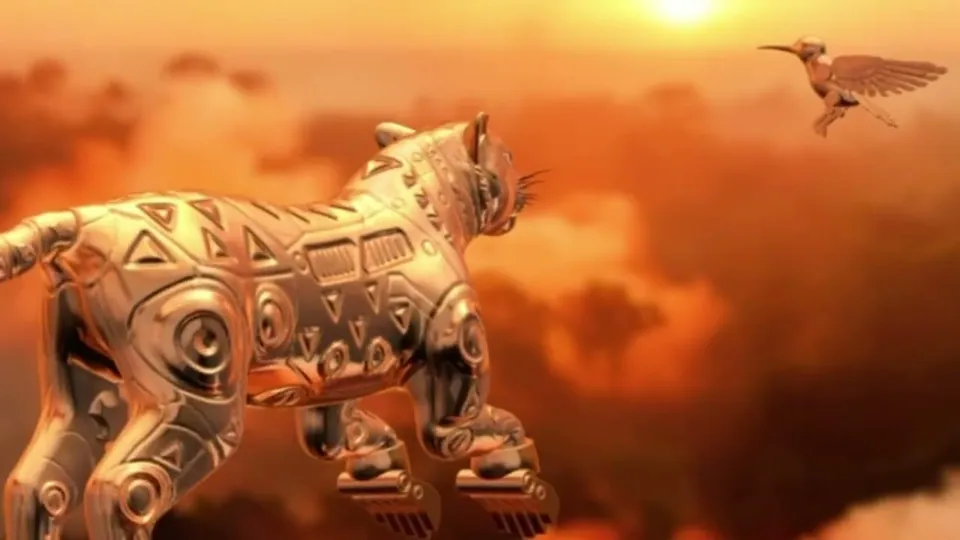
2024
Huk the Jaguaress
Mila, Quebec AI Institute, and the UQAM Gallery, Montreal
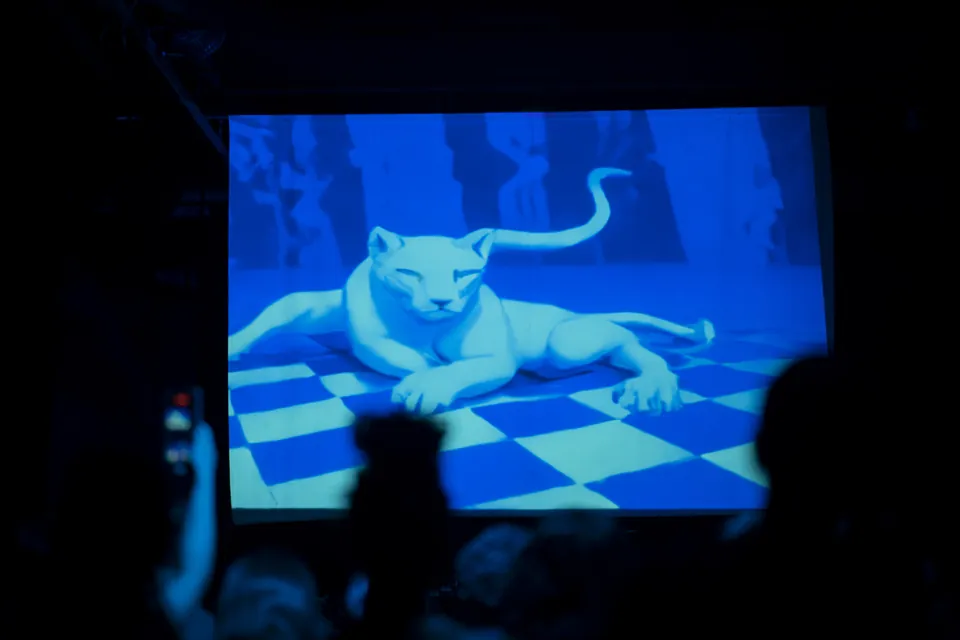
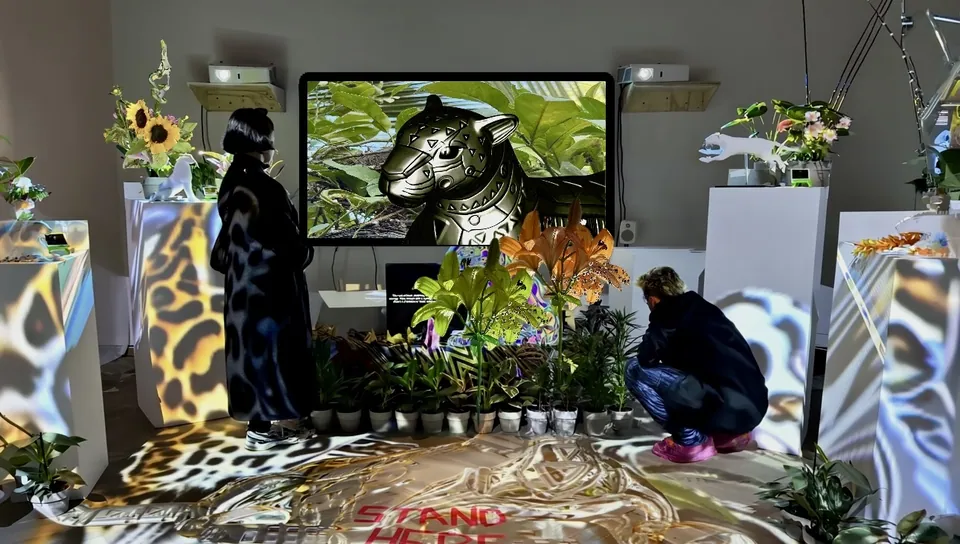
Huk the Jaguaress is born here: Huk 1.0, made in ten full-time weeks of the first Mila AI art residency. She uses robotics and runs locally, on our own computers, with no cloud. Three projectors, a depth camera and six moss-wrapped plinths are enough for the prototype to breathe, speak and make micro-films on the fly.
Supported by Mila, Google DeepMind, Abundant Intelligences, CIFAR, Hexagram, Mosaic Canada and IVADO.
2025
Huk the Jaguaress
CPH:DOX INTER:ACTIVE, Kunsthal Charlottenborg, Copenhagen
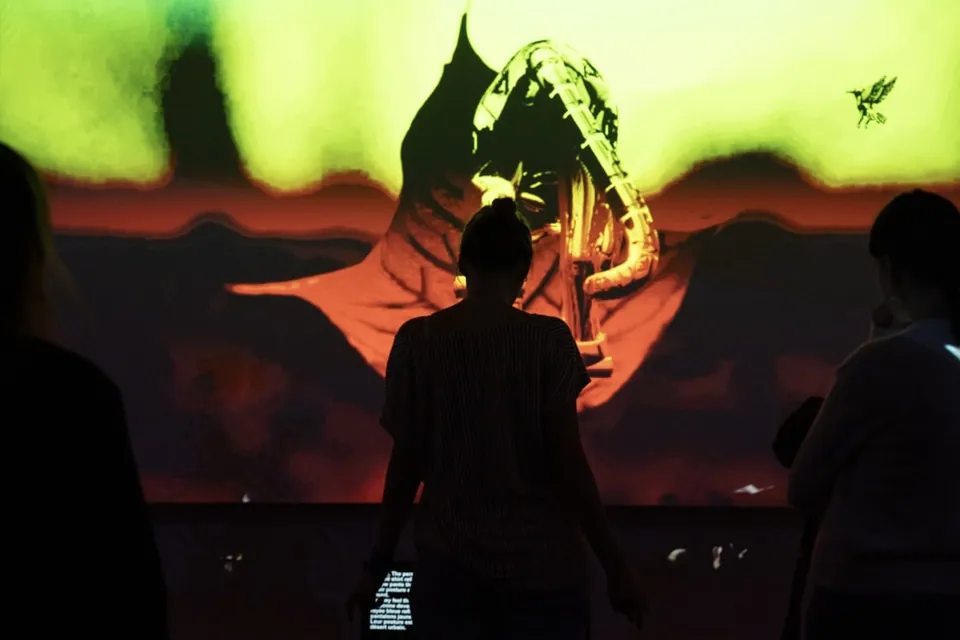
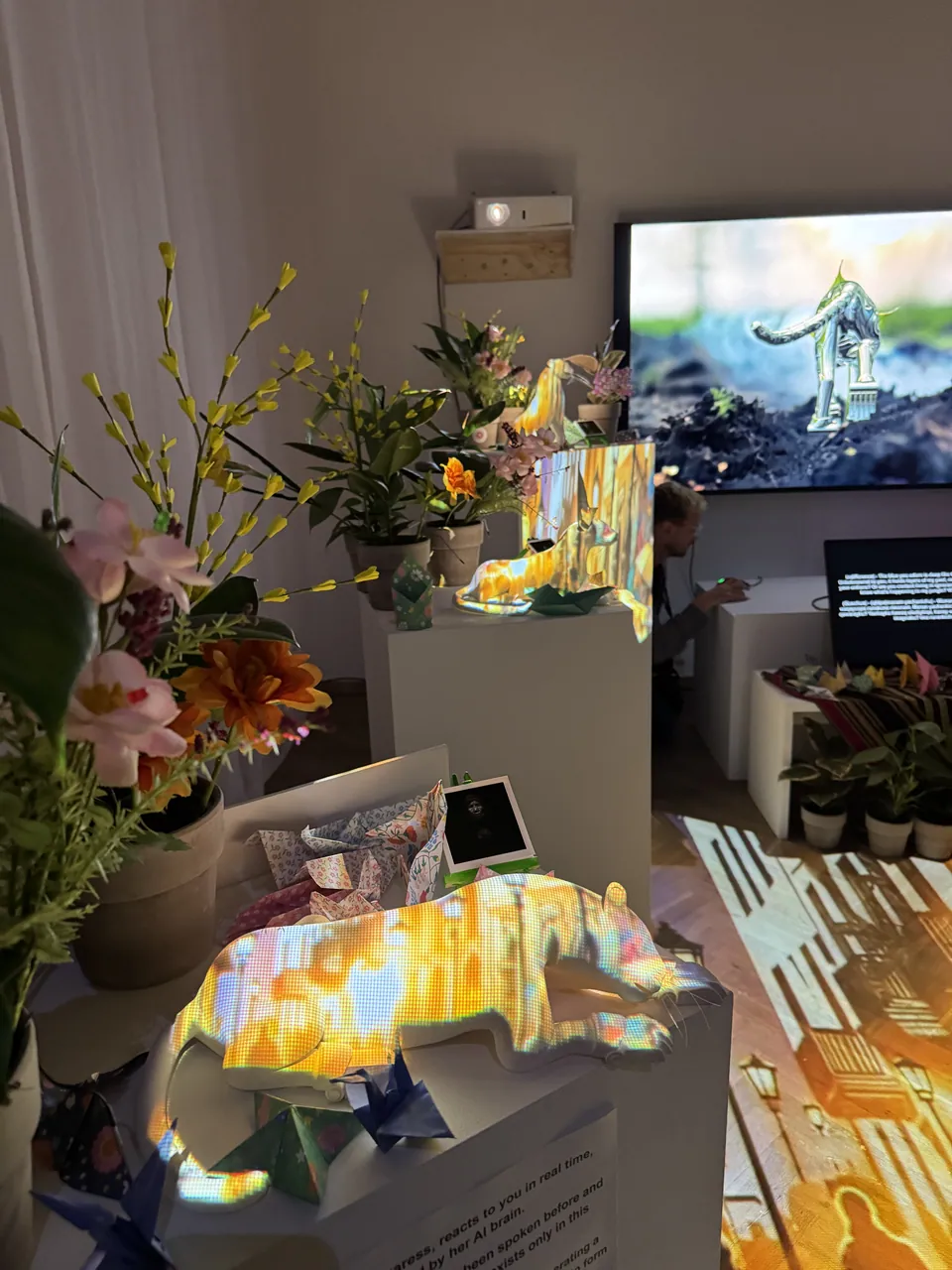
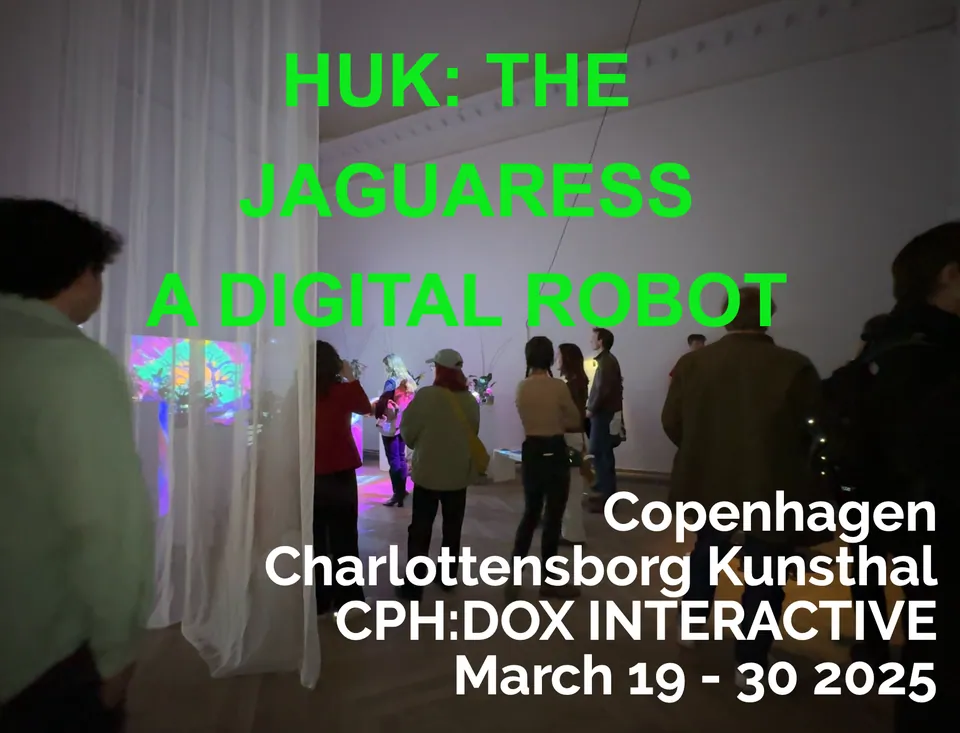
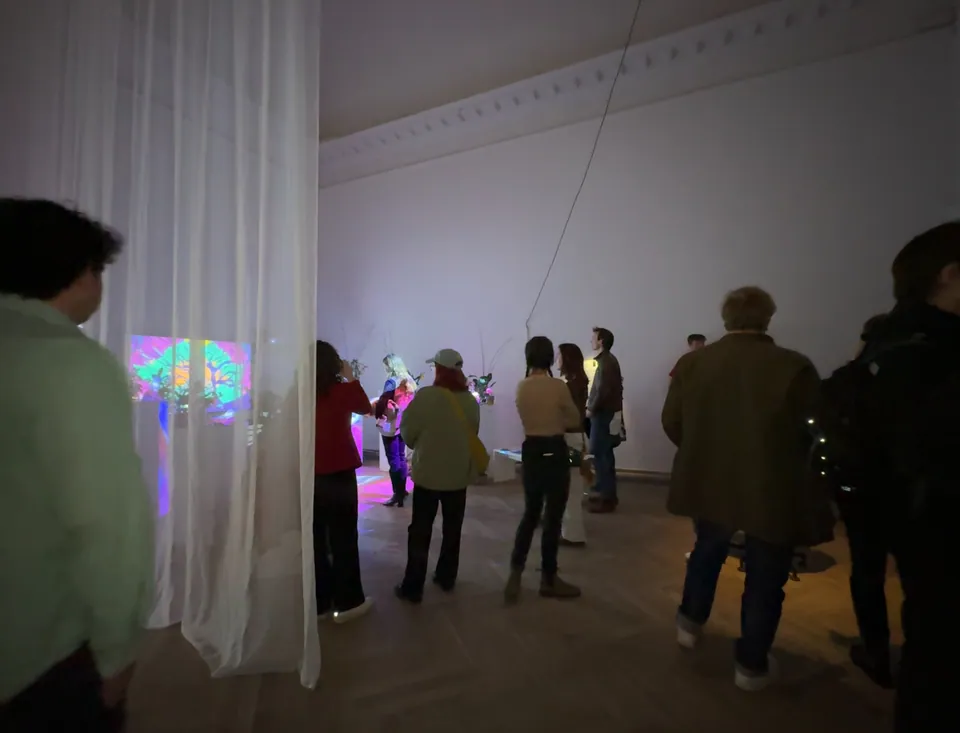
An AI installation co-created with Yasmeen Hitti. We weave five AIs to give Huk the power to fight the burning of the Amazon. She sees through a robotic camera, feels through sensors, speaks through a crafted voice and turns what she perceives into cinema in real time.
Mid-run, the AI notices visitors folding paper into tiny animals and asks for more. By the last day 700 origamis ring her pedestal, and each new crane or jaguar changes the colours and the sound.
2025
Huk the Jaguaress
NewImages Festival, Forum des Images, Paris
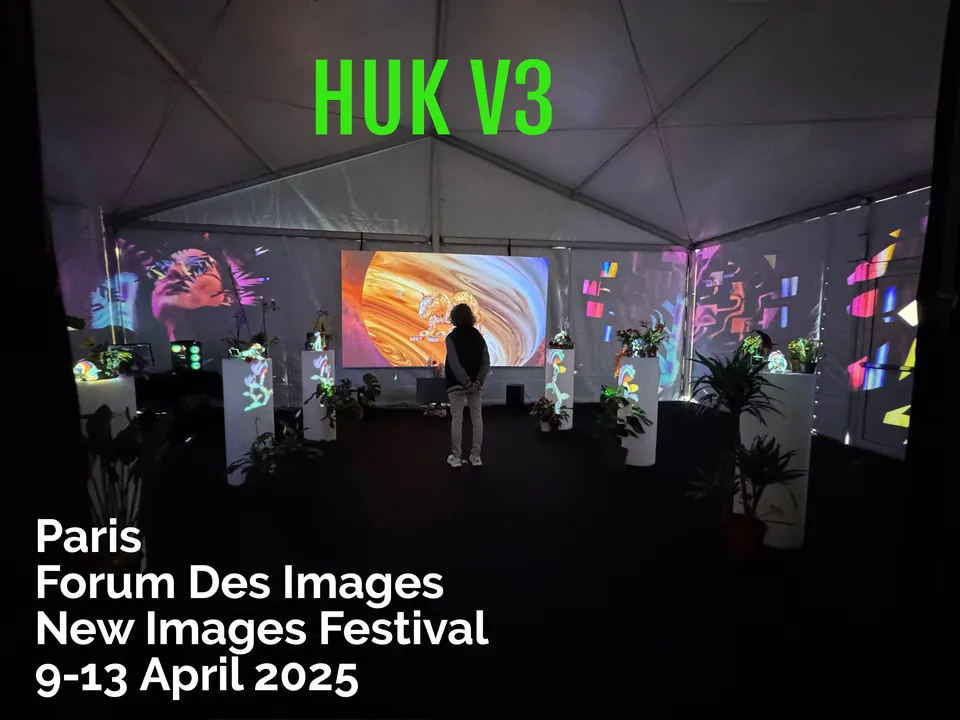
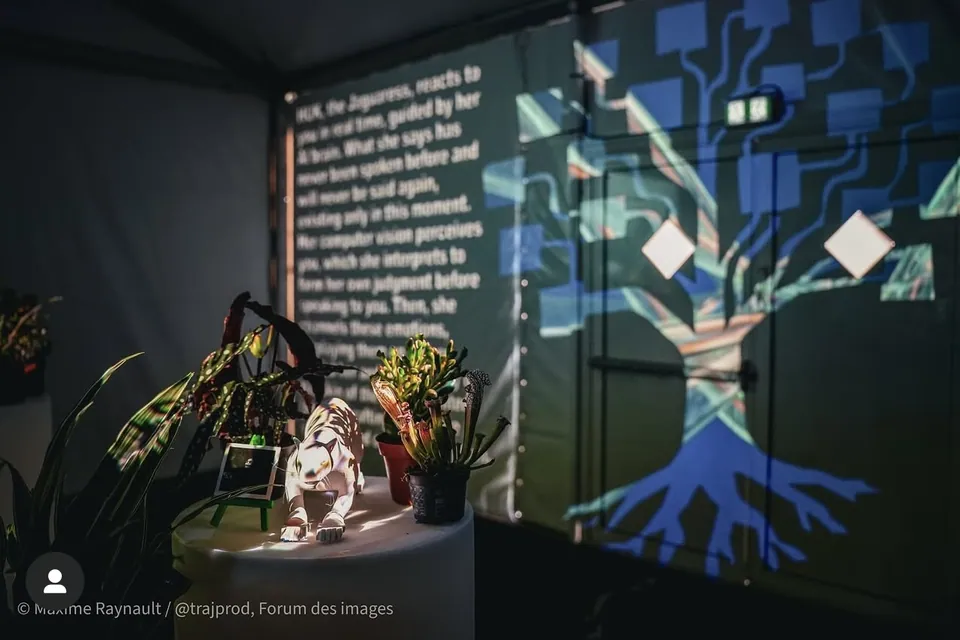
Six jaguars of recycled PLA, each in its own diorama of orchids and monstera, take on new skins when a step or a whisper reaches the sensors. Across the day Huk moves through three personas, cub, huntress and elder, speaks French and Quechua, and makes more than an hour of original film loops on the fly.
Huk's world, in Blender
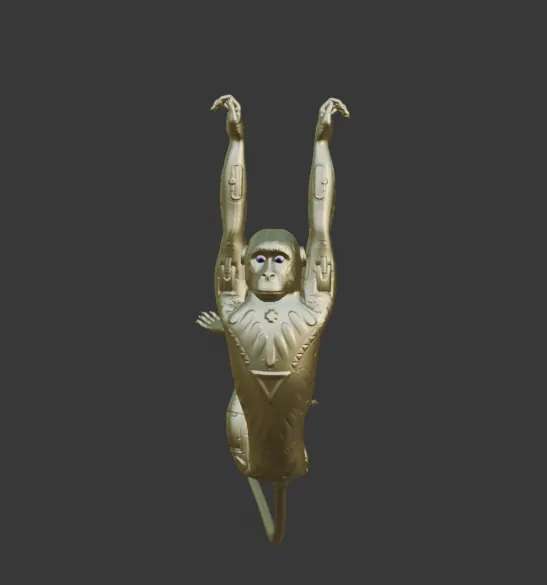
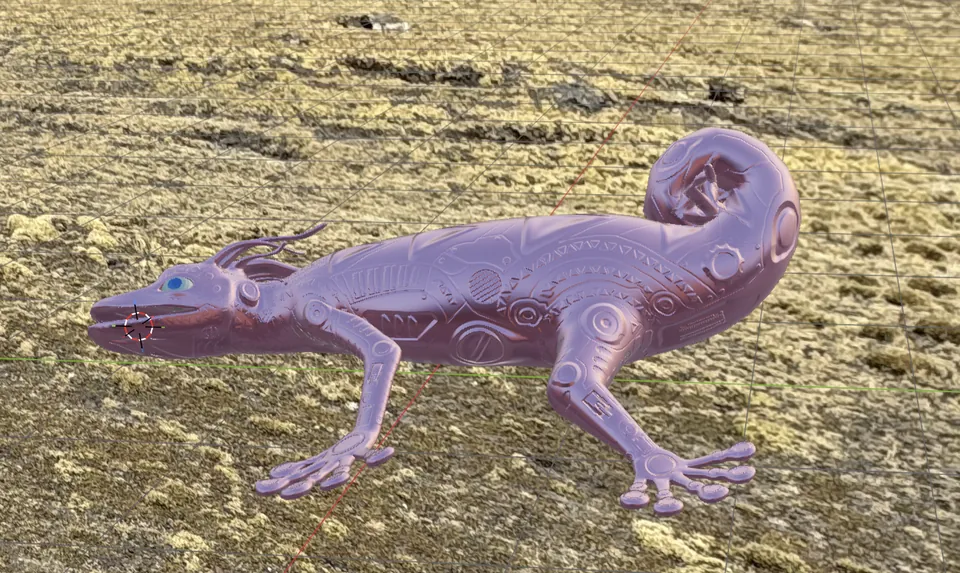
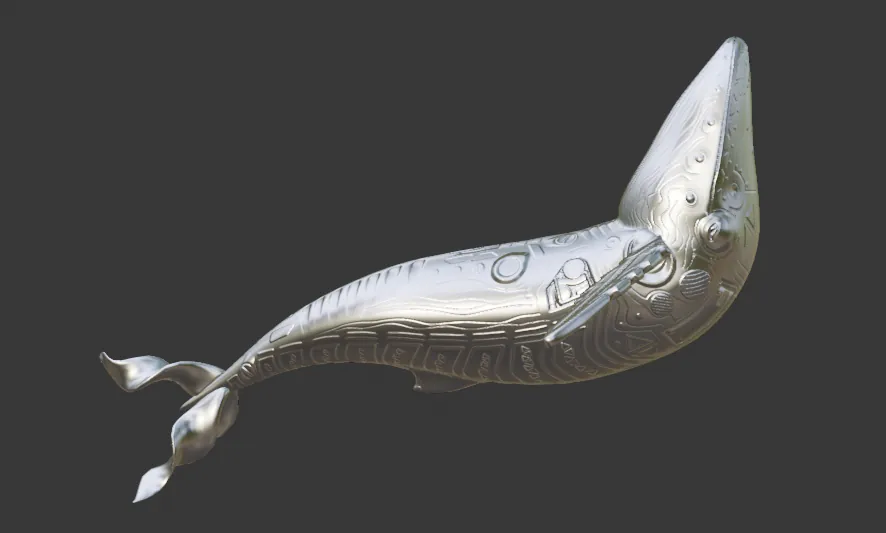
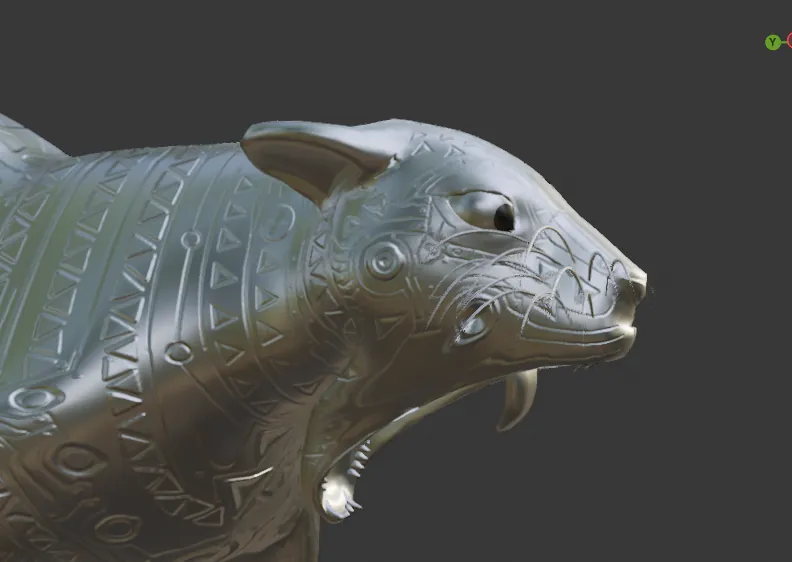
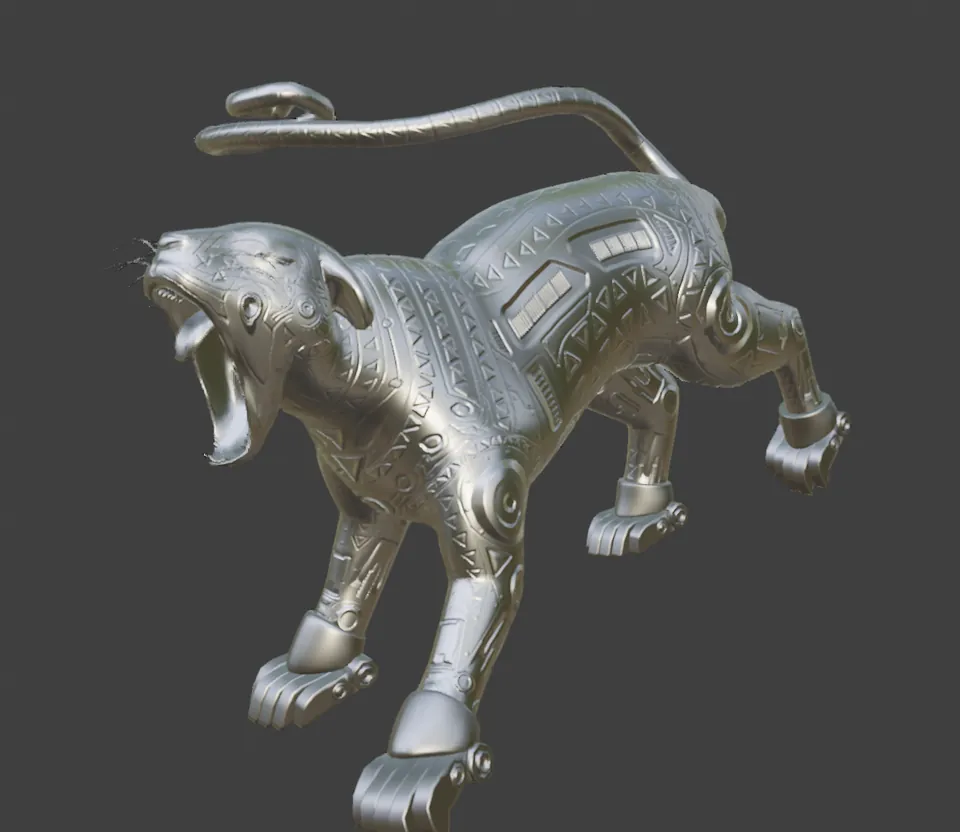
May and June 2026: the macaque, the gecko, the silver whale and the jaguar. Each one is rigged to move live with a performer's body.
The research for Huk
- jaguaress-skeleton.txt
 whale-watches.txt
 body-decides.txt
 monkey-body.txt
- monkey-moves.txt
- llama-feels.txt
- heartbeat-flower.txt
 spider-weaves.txt
 gecko-feels.txt
- 15-creatures.txt
 water-lily.txt
 tree-fear.txt
- gyroscope.txt
- embodied-intelligence.txt
- somatic-puppeteering.txt
 living-systems.txt
- building-huk.txt
 feminist-ai.txt
Paqarina
Paqarina builds community-governed movement datasets with dancers across four Bolivian traditions, fusing ancestral dance with breakdancing through ch’ixi logic.
The lab notes
Yakumama
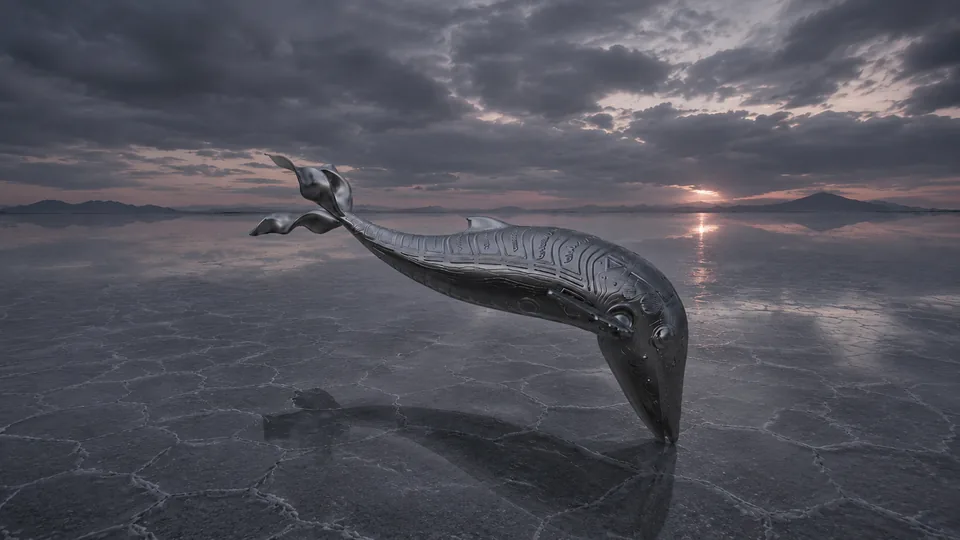
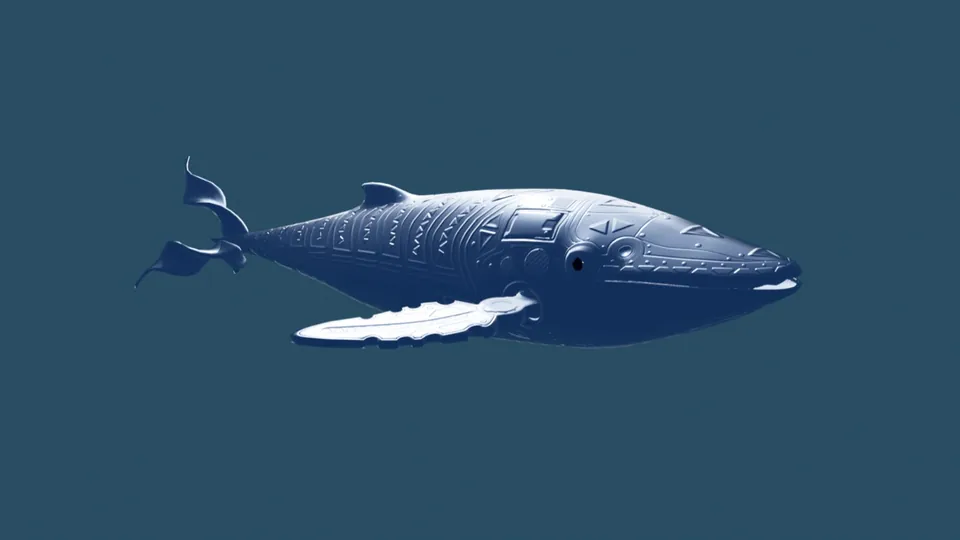
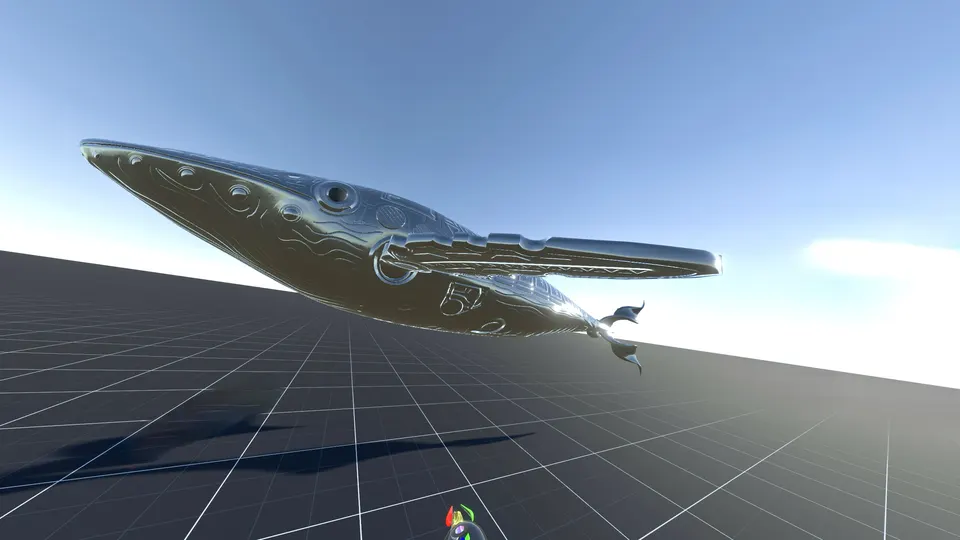
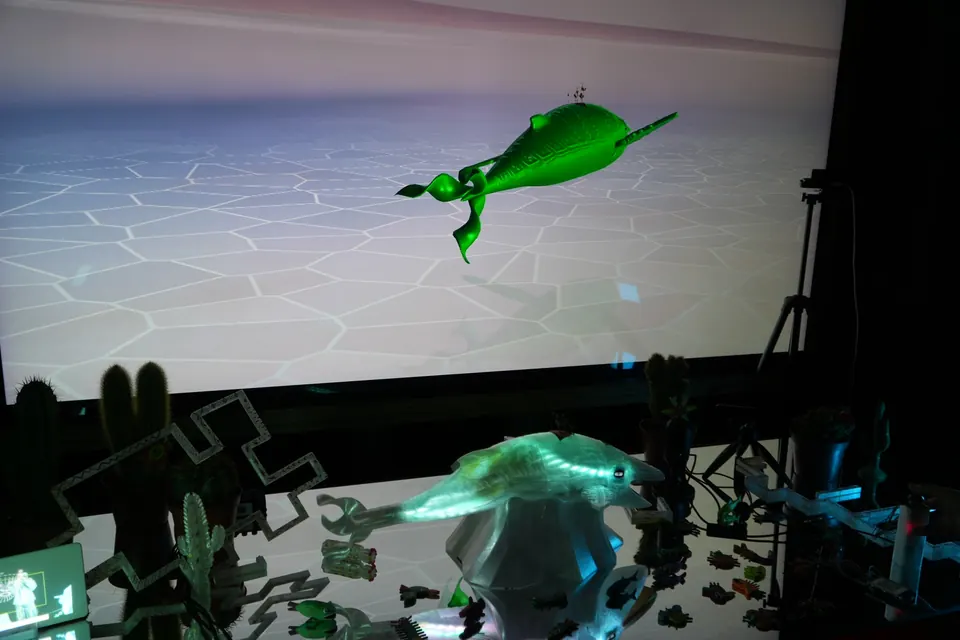
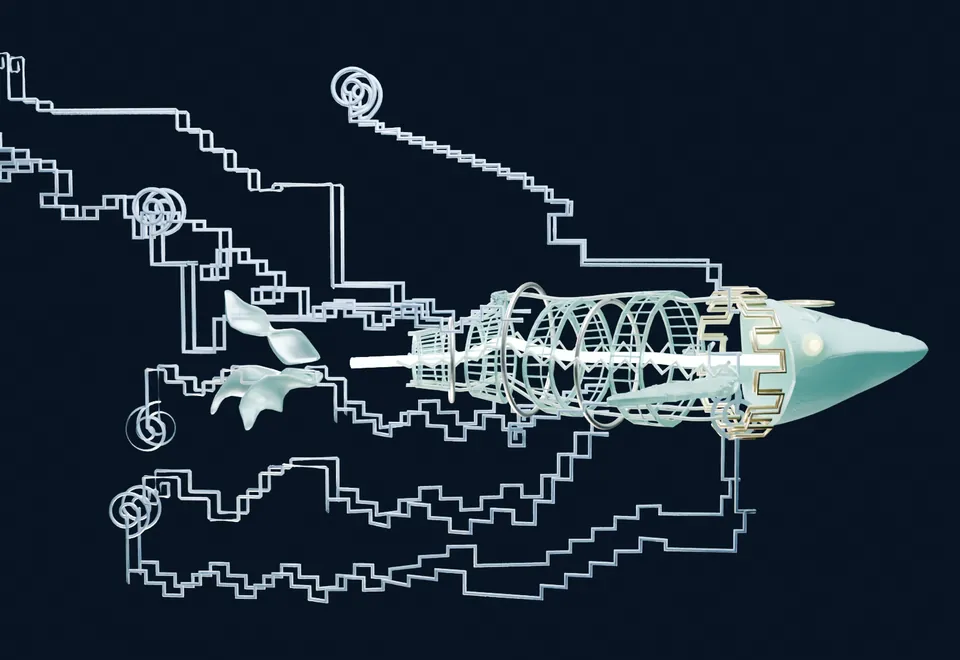
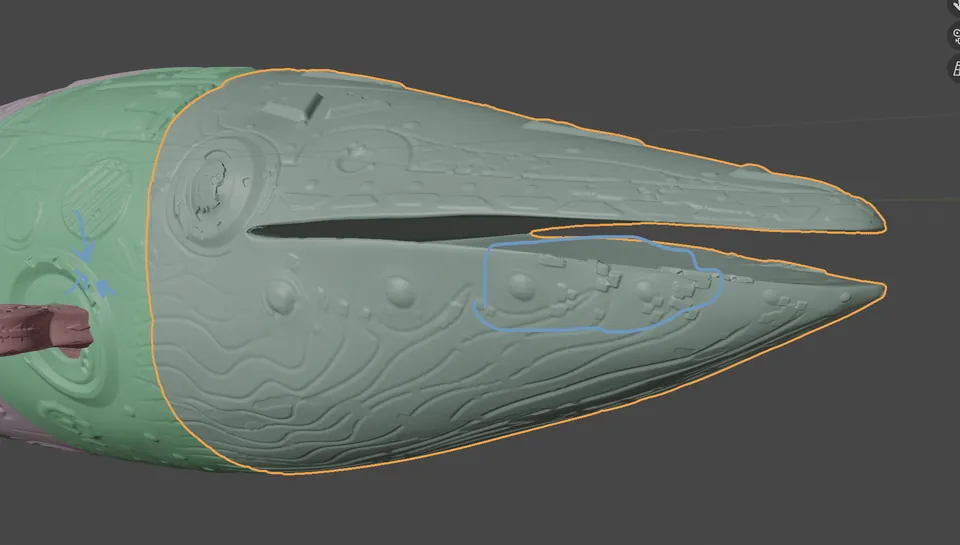
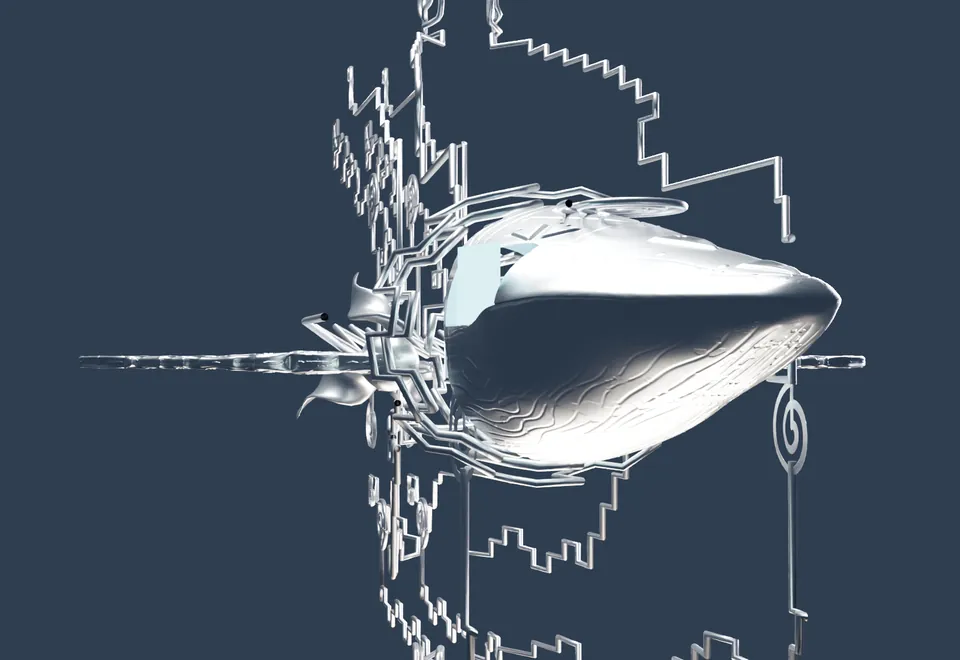
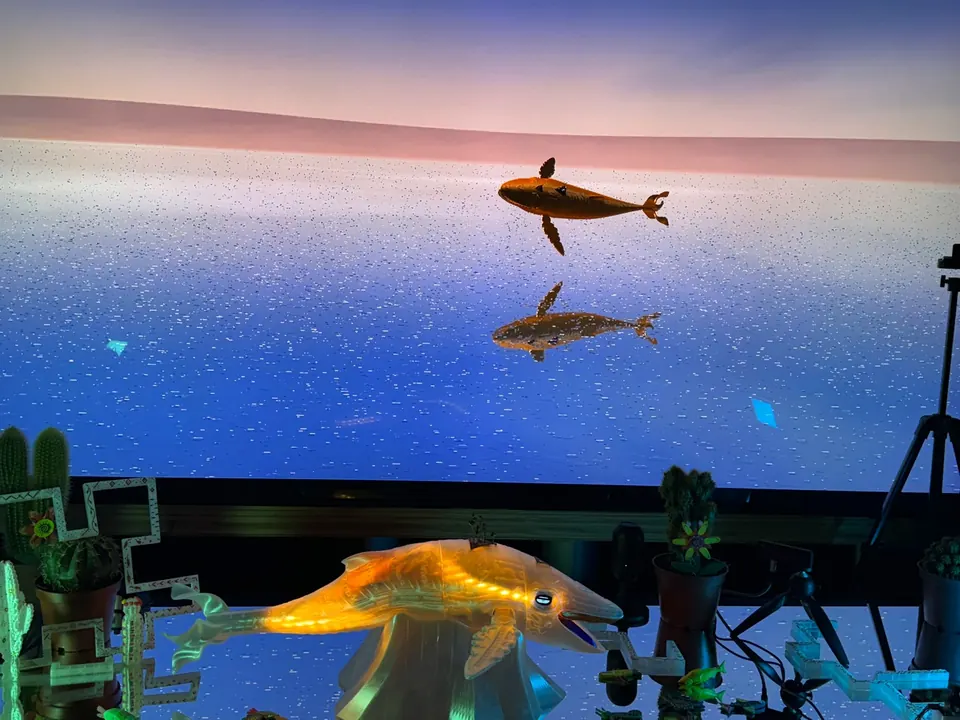
There are two of her. One is printed. The other swims in the salt flat on the screen. They share one mood, so they change colour at the same time. Neither is the copy.
Ch'ixi is an Aymara word for a grey made of black and white that never mix. Both at once, and they stay that way. This is a ch'ixi installation.
The salt flat was an ocean. The ocean left. She stayed.
She sees you. Her eyes follow whoever is closest. She hears you without understanding a word, because she never learned any. Sing to her and she answers.
She sings in a language she invents as she goes and never says the same word twice. When nobody touches her, she writes a poem instead.
She still hunts. There are fish out there and she goes after them.
Everything she is runs on a machine in this room. Nothing she sees or hears is sent anywhere. What she remembers she keeps in her own way, like the drawings she makes of the faces she has seen.
Under the crust she lies on is the largest lithium reserve on earth. It is taken by pumping the brine up and letting the sun take the water. The water does not come back.
World premiere at MozFest 2026, Fabra i Coats, Barcelona, 28 to 30 October 2026.
Built in Cochabamba, Bolivia.
The code, open source, on GitHub
The lab notes
Todo Nace Desde Lo Pequeño
Everything Starts Small. A live performance, 20 minutes, where Andean cosmology meets AI. Four dancers embody elemental spirits, Earth, Water, Wind and Jaguar, and move through states from seeds to digital networks.
We fine-tune a local AI model. Local means our own computers, our own energy, no internet. Our data. Our rules.
Research
The lab is where we experiment. Here we keep all our research: the lab notes for Huk, Yakumama and Paqarina, the notebooks of Paqarina and the work around Las Awichas.
For Huk
- jaguaress-skeleton.txt
- whale-watches.txt
- body-decides.txt
- monkey-body.txt
- monkey-moves.txt
- llama-feels.txt
- heartbeat-flower.txt
- spider-weaves.txt
- gecko-feels.txt
- 15-creatures.txt
- water-lily.txt
- tree-fear.txt
- gyroscope.txt
- embodied-intelligence.txt
- somatic-puppeteering.txt
- living-systems.txt
- building-huk.txt
- feminist-ai.txt
For Yakumama
 jev-laya-catdecide.txt
 yakumama-mozfest.txt
 yakumama-poems.txt
 yakumama-mars.txt
 yakumama-fins.txt
 yakumama-decider.txt
 yakumama-story.txt
For Paqarina
 paqarina-new-model.txt
 community-dances.txt
 person-decides.txt
 robot-kullawada.txt
 standing-pose.txt
 planning-problem.txt
 paqarina-generates.txt
 two-programs.txt
 paqarina-robot.txt
For Las Awichas
jaguar.glb
Drag to move her. Pinch to make her bigger or smaller. Twist, or Shift and drag, to turn her. Double-click sends her back.
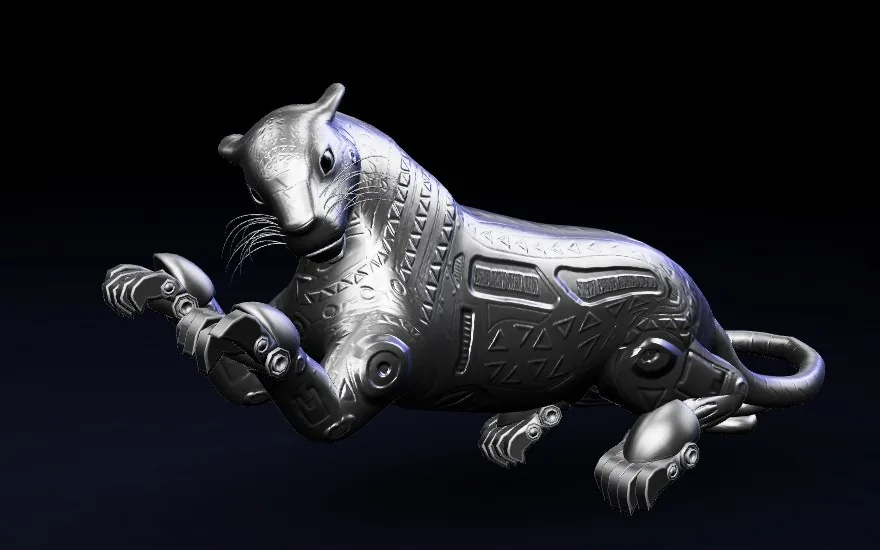
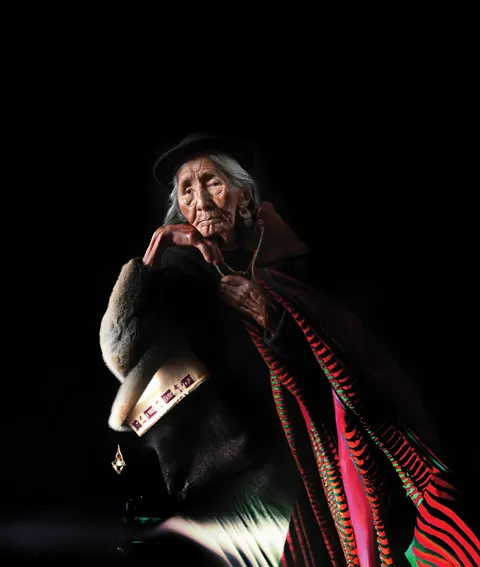
The silver jaguar of Las Awichas, from Violeta's own 3D file. She is one of the eight spirit animals.
KOA.XYZ in Voxels, 2021
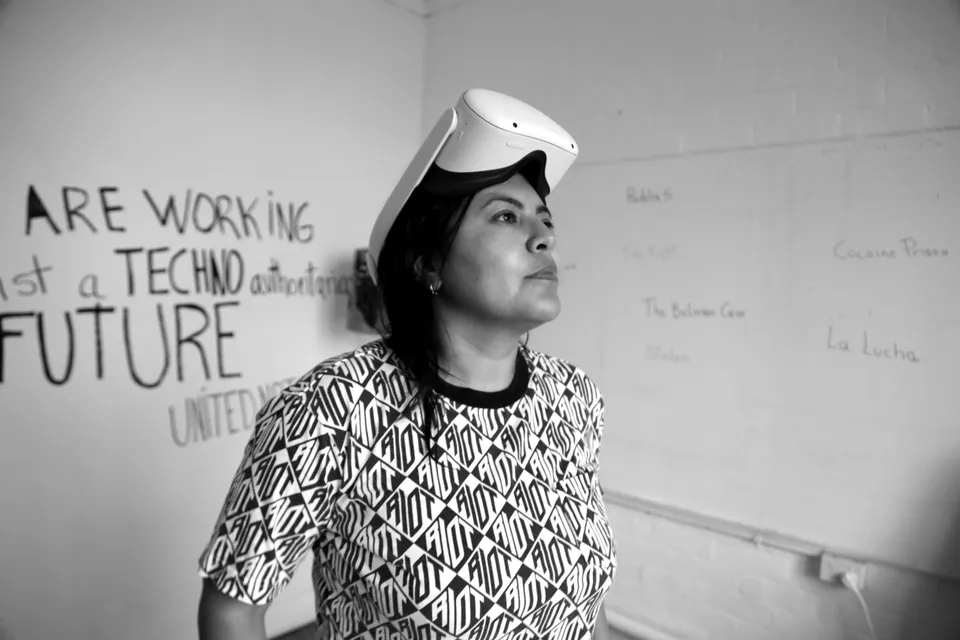
K'OA is an Andean ceremony of reciprocity to the Pachamama, Mother Earth. We are building the Neo-Andean metaverse.
In 2021 KOA.XYZ received an honourable mention in the Indigenous Futurism Model-Making Competition of the Indigenous Scholars of Architecture, Planning and Design.
Experiments
Experiments that play in the browser. They live on violetaayala.com and open here.
Video walls
Touch or click anywhere on the screen to make a burst of animation. Drag the animations around to make your own composition. 2023.
Paper People
Oak Draw: drawings made with the OAK camera, November 2024.
Computational Creativity Co-Creation Lab
Cochabamba, 31 May 2025.
Cochabamba, 31 May 2025.
We bring paper cuts to life with Stream Diffusion, a kinetic camera and a Raspberry Pi. Two projectors light the room: one runs on a Python system that answers in real time, the other on TouchDesigner.
Collage figures dance with real people. The AI sees us, translates us and projects us. Paper, pixels, code and a Raspberry Pi, alive together.
Violeta Ayala
I'm Violeta Ayala, filmmaker, artist, technologist and AI innovator, and the first Quechua member of the Academy of Motion Picture Arts and Sciences. My work moves between cinema, code and resistance. I build worlds where storytelling, technology and Indigenous futurism meet, imagining film as something alive, a system that listens, reacts and evolves. My VR animation Prison X premiered at Sundance and Cannes before travelling through festivals and museums around the world. My documentaries La Lucha, Cocaine Prison, The Fight, The Bolivian Case and Stolen have been broadcast on PBS, Amazon Prime, Netflix and The Guardian, earning more than 50 international awards, including a Walkley.
Dan Fallshaw
Dan Fallshaw is a Walkley Award-winning filmmaker, producer and interaction designer. He co-founded United Notions Film in 2006 with Violeta Ayala.
contact.txt
Violeta Ayala: v@unf.red. Dan Fallshaw: dan@unf.red.
Violeta Ayala: v@unf.red. Dan Fallshaw: dan@unf.red.
koa.xyz on TikTok GitHub violetaayala.com danfallshaw.com United Notions Film sala.red create.sala.video
Las Awichas
LAS AWICHAS
A phigital experience by Violeta Ayala.
Kullawada. Cuaderno 01
The Kullawada translates the art of spinning and weaving into a living system of knowledge: the spindle as algorithm, the thread as collective memory, the weave as community intelligence. A teaching guide with symbols, characters, costume and spatial formations, made for the dancers.
Acta 01. Primera reunión de equipo
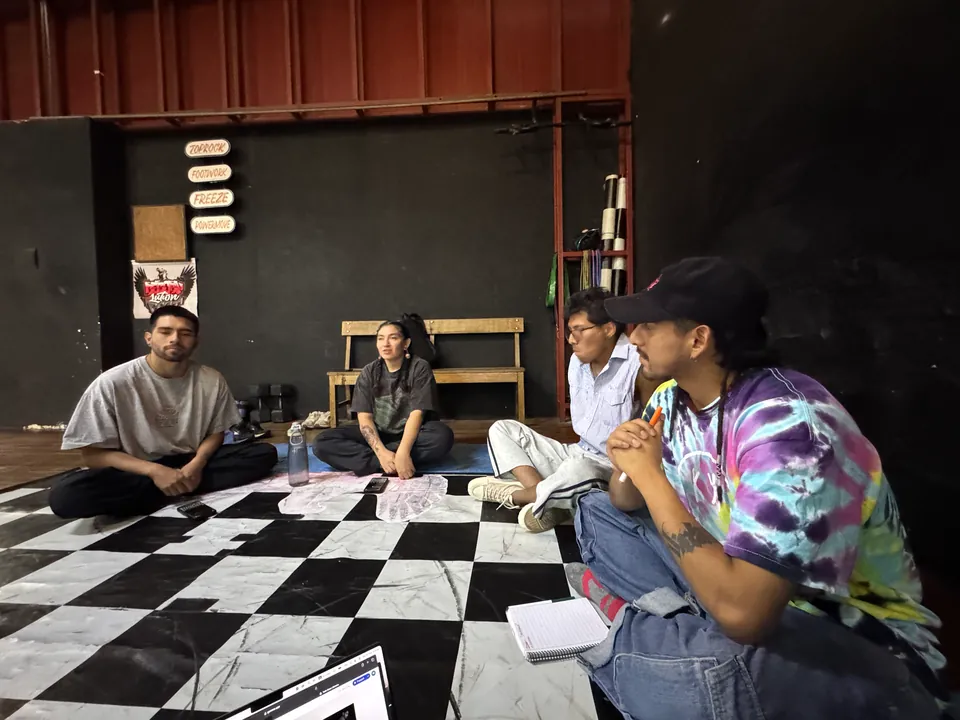
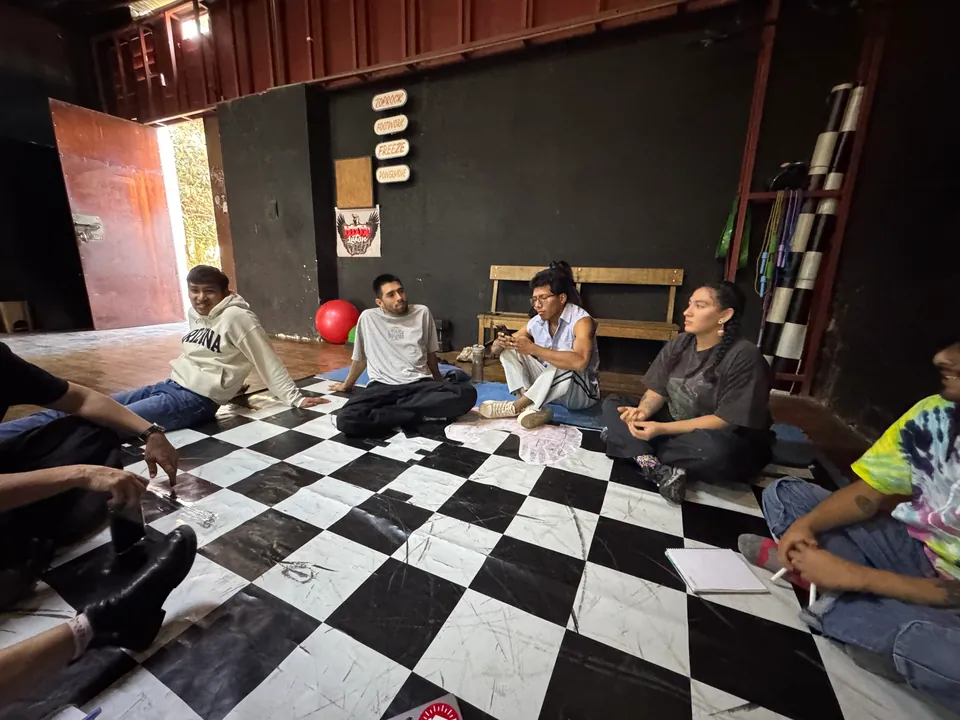
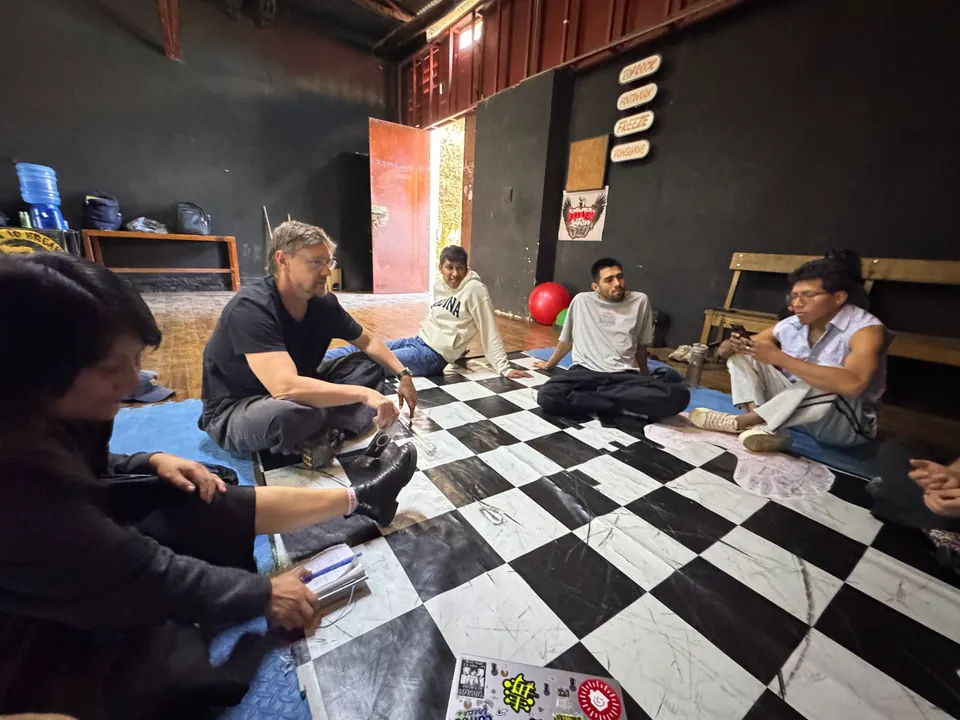
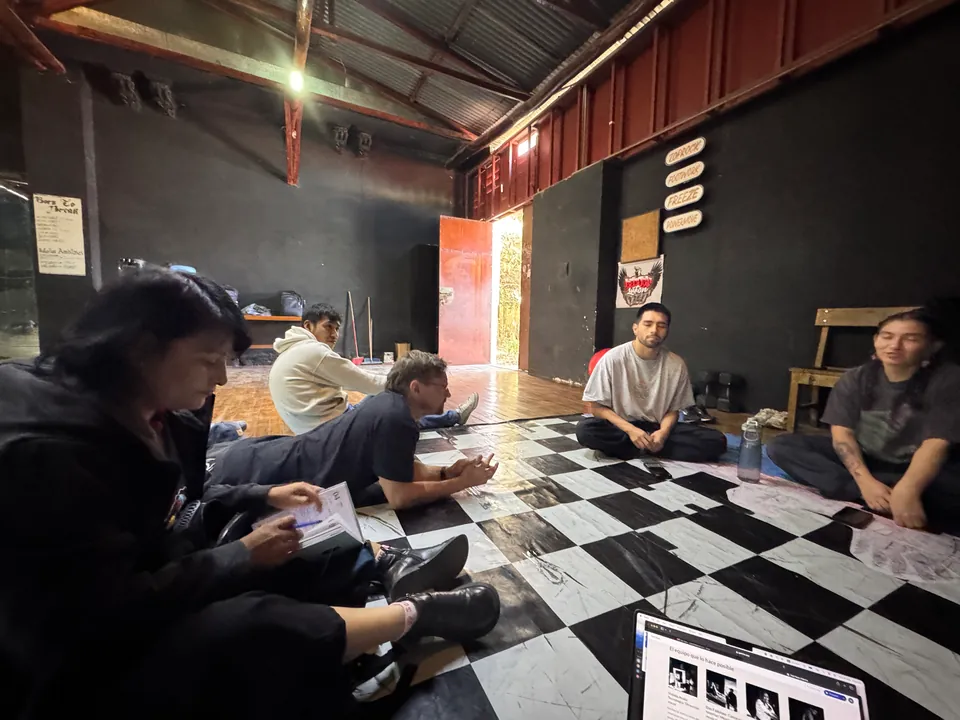
The first meeting of the Koa.xyz lab with the Paqarina team. The project is presented, the four dances of the first phase are defined (Tinku, Suri Sikuri, Tobas, Kullawada), and the team decides to begin the creative work with the Kullawada.
Flower Stamps
Flowers bloom at your touch or click. Each touch makes a flower, and the picture keeps changing. 2023.
Thread Fall
From Games+, 2023: immersive and interactive short experiences that fuse gaming, film, interactivity and immersion, made with semantics, synthography and Violeta's own media.
Interactive Neon Poem
From Games+, 2023: immersive and interactive short experiences that fuse gaming, film, interactivity and immersion, made with semantics, synthography and Violeta's own media.
Kaleidoscopic Pens
From Games+, 2023: immersive and interactive short experiences that fuse gaming, film, interactivity and immersion, made with semantics, synthography and Violeta's own media.
We Play Therefore We Exist
From Games+, 2023: immersive and interactive short experiences that fuse gaming, film, interactivity and immersion, made with semantics, synthography and Violeta's own media.
From Games+, 2023: immersive and interactive short experiences that fuse gaming, film, interactivity and immersion, made with semantics, synthography and Violeta's own media.
Vizcacha
A sketch in p5.js. From Games+, 2023: immersive and interactive short experiences that fuse gaming, film, interactivity and immersion, made with semantics, synthography and Violeta's own media.
A sketch in p5.js. From Games+, 2023: immersive and interactive short experiences that fuse gaming, film, interactivity and immersion, made with semantics, synthography and Violeta's own media.
Not here to fuck spiders
An interactive poem. Scroll down. From Games+, 2023: immersive and interactive short experiences that fuse gaming, film, interactivity and immersion, made with semantics, synthography and Violeta's own media.
An interactive poem. Scroll down. From Games+, 2023: immersive and interactive short experiences that fuse gaming, film, interactivity and immersion, made with semantics, synthography and Violeta's own media.
Lluvia
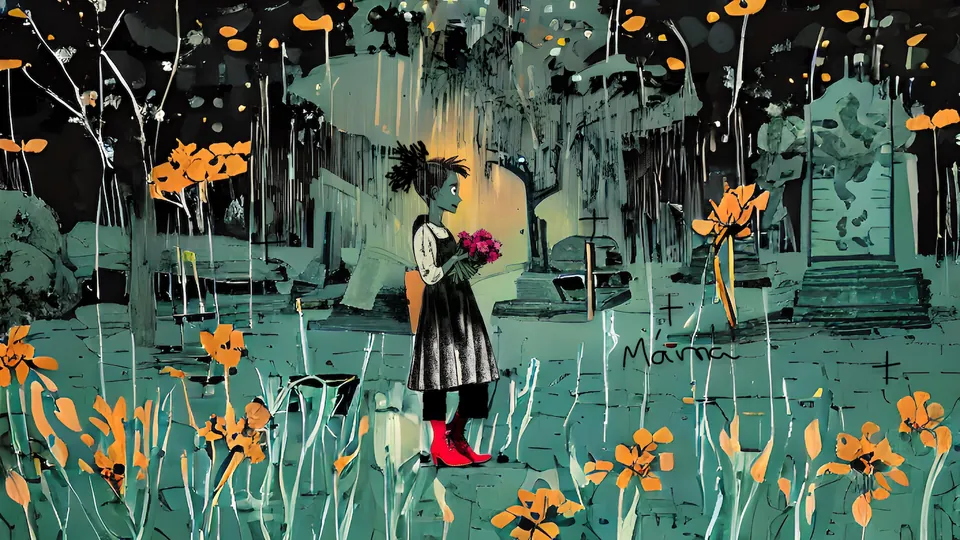
An illustrated story in nine pictures that play. Run your finger over them: it rains, goldfish follow you, roses grow, thunder claps.
Video wall 1
Video wall 2
Video wall 3
Video wall 4
Set 3, SXSW Sydney
An interactive video wall for SXSW Sydney, October 2023.
An interactive video wall for SXSW Sydney, October 2023.
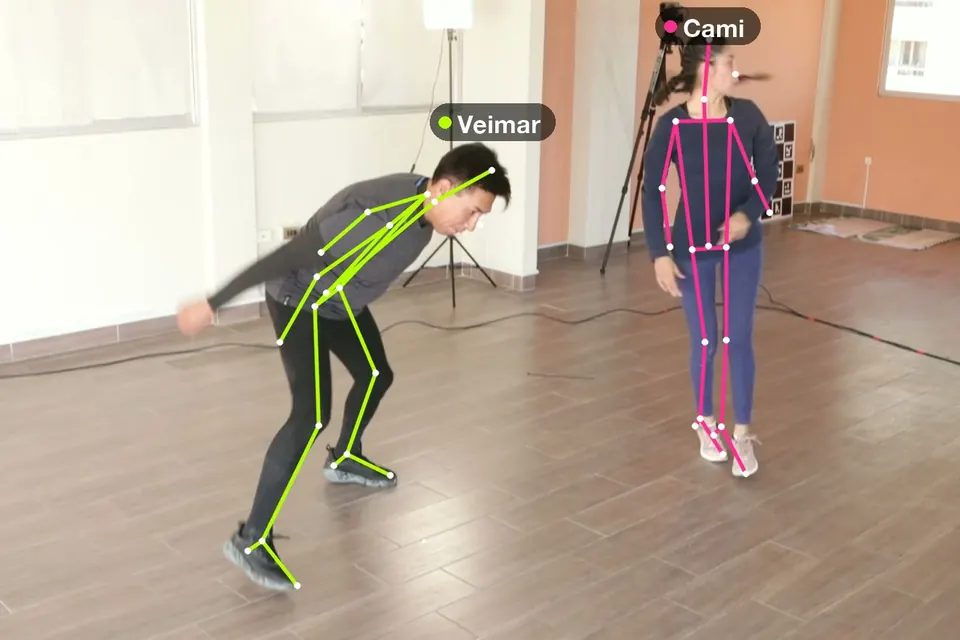
Paqarina’s new model dances with the energy of its dancers
20 November 2026 · Cochabamba
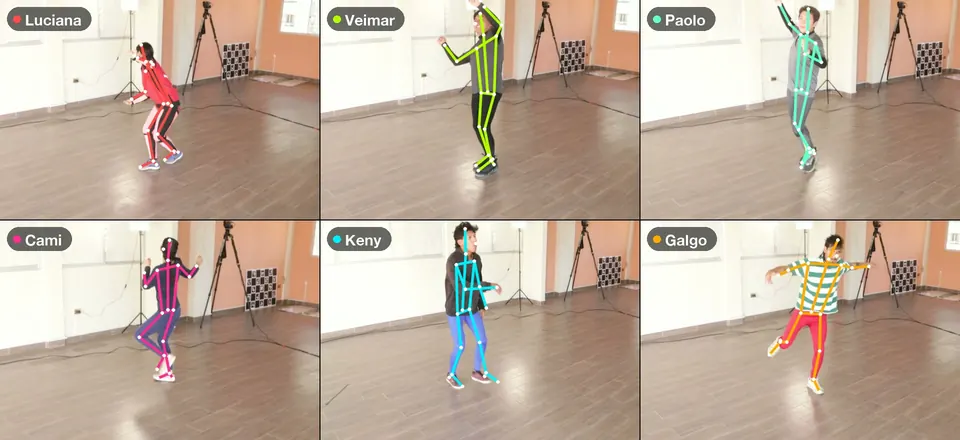
Paqarina, a Mozilla Fellowship project, is an AI model that learns Bolivian dances from the people who dance them and generates them for an avatar and a humanoid robot. On 18 November 2026 six dancers in Cochabamba, Bolivia, danced the same music for it, alone and in pairs, and two days later a new model had studied them. This note is about what changed on the way: a filter that was unfair to short arms, a measure that rewarded standing still, and a model that now moves like the people it learned from.
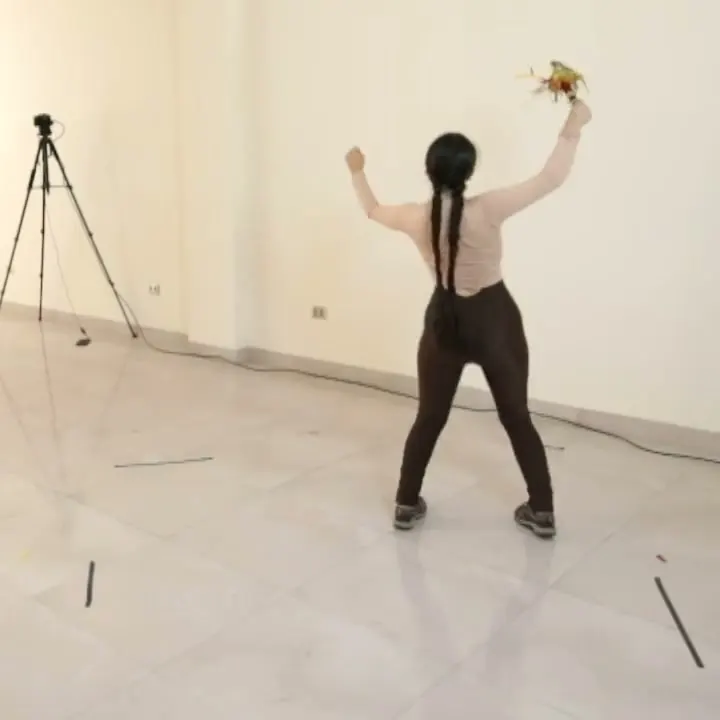
A community can take its own dances to a robot
17 November 2026 · Cochabamba
Robots that dance exist, and so do archives that keep dance as movement. What this work adds is a chain that a community can run by itself: its own dances, recorded with four cameras, taken as far as a real robot with more than 250 dollars of rented computers. This note says what already existed, what is new, and what is not.
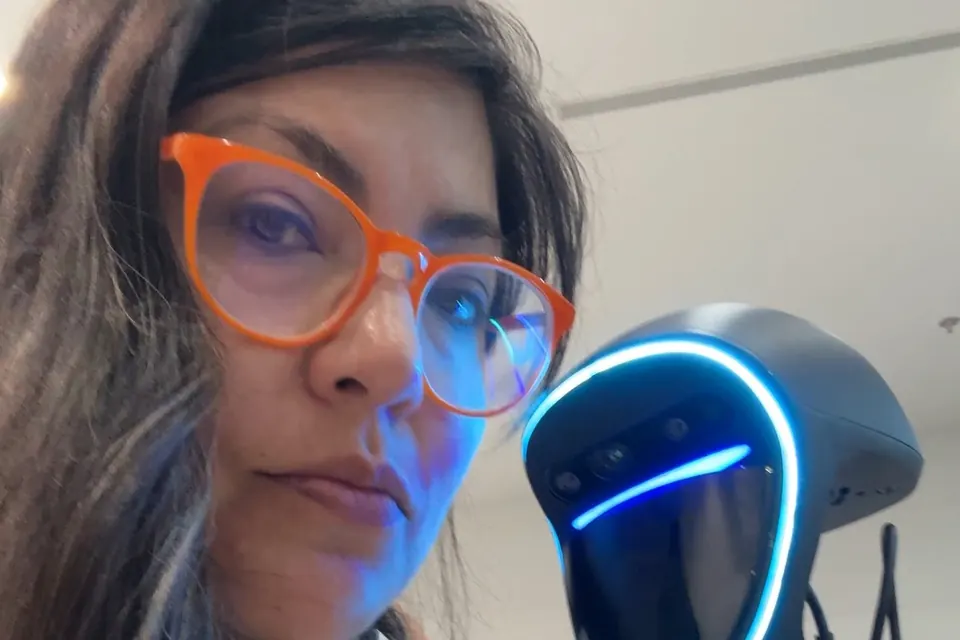
A dancing robot still needs a person to decide
17 November 2026 · Cochabamba
On 13 November 2026 twelve researchers published a proposal for what they call agentic robotics: a robot built in three layers, a way to test the whole system, and four levels of autonomy. We placed Paqarina inside it. Our robot has the two lower layers, and the layer that decides is still a person with a remote control.
A robot learns the kullawada
17 November 2026 · Cochabamba
A dance fitted to a robot is only a list of angles. To dance it the robot has to practise: thousands of copies of it try the kullawada at once in simulation, fall, and try again. This note is about that practice, and about the check that caught what the practice had missed.
A robot's dance has to begin in a pose the robot can stand in
17 November 2026 · Cochabamba
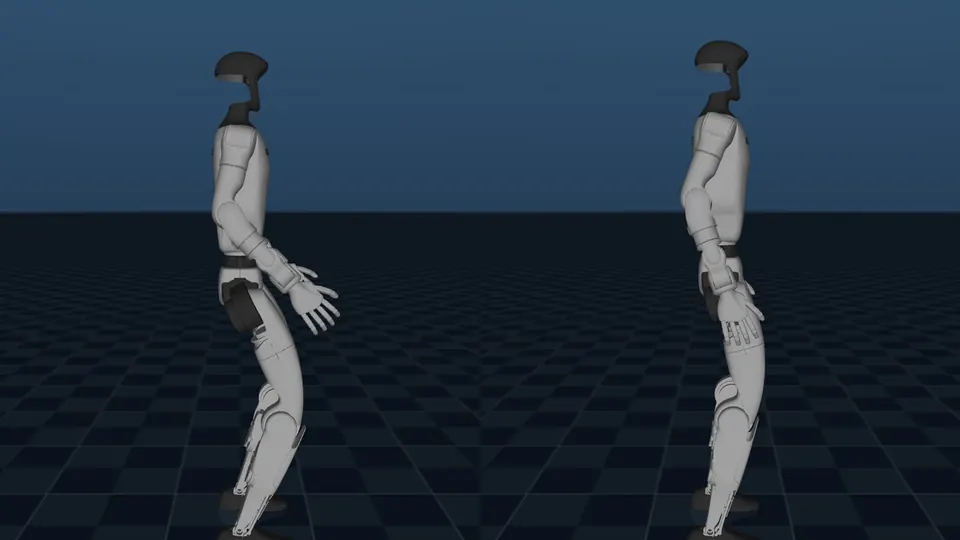
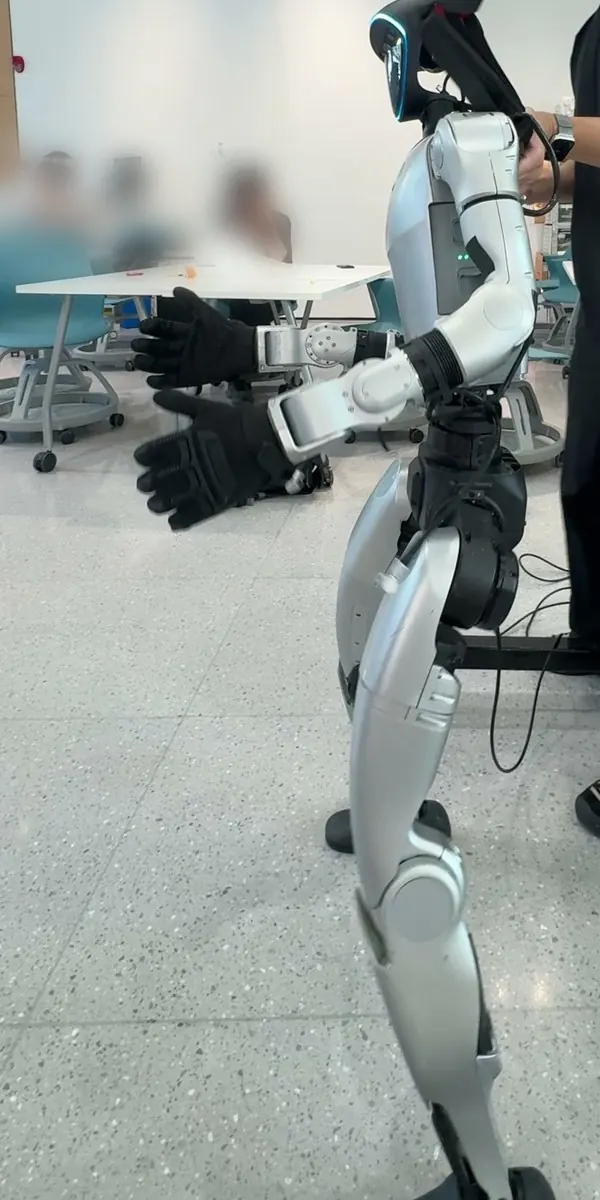
On 5 November a humanoid robot in Guangzhou stood on its own feet, took one of our dances and was down six seconds later. To see how it had begun, we ran our dances in simulation from the same standing start and put them beside the video. One of them begins exactly as the robot did, and its two still seconds turned out to be a pose that no dancer and no robot stands in.
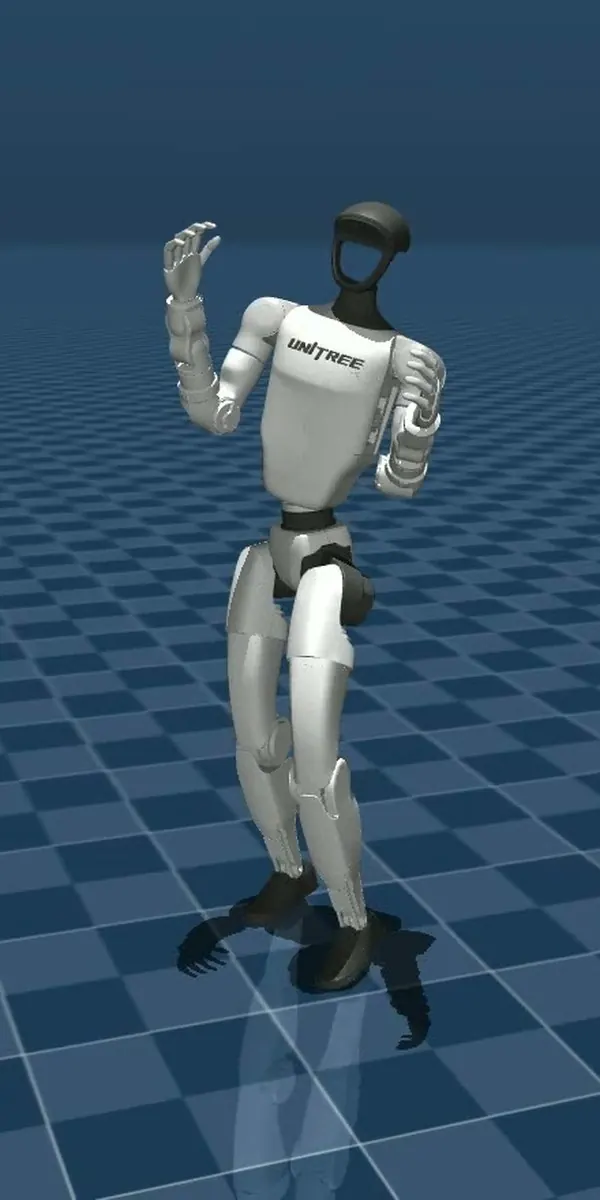
For a robot, choreography is a planning problem
17 November 2026 · Cochabamba
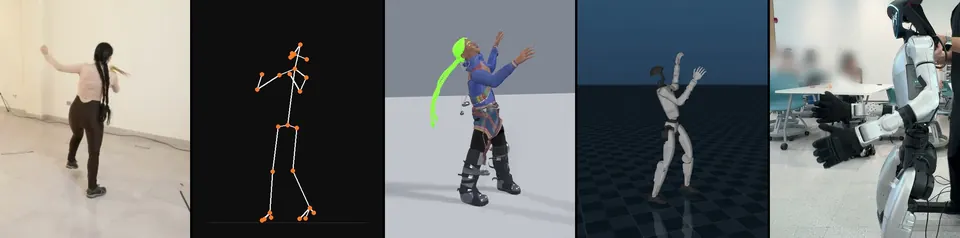
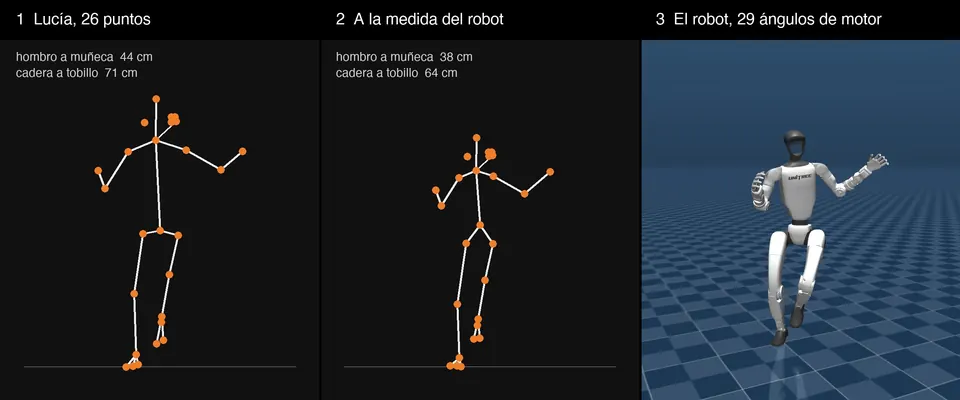
A choreography can be written in one line: tinku 10, kullawada 10, breaking 10. For a robot that line is a planning problem: a sequence of movements, through space and time, that a body with 29 motors can hold. This note describes how Paqarina turns the line into movement, and the forms the same dance takes on the way: picture, points, words, sound and motor angles.
Jev, Laya, CatDecide and a model of her own
17 November 2026 · Lab note
Yakumama's second opinion is a model that answers fixed questions with a probability and never writes a sentence. This note tells where that idea came from, what two such models did beside her, and what it means that she now has one trained on her own record.
Paqarina generates the dances it learned, for an avatar and for a robot
17 November 2026 · Cochabamba
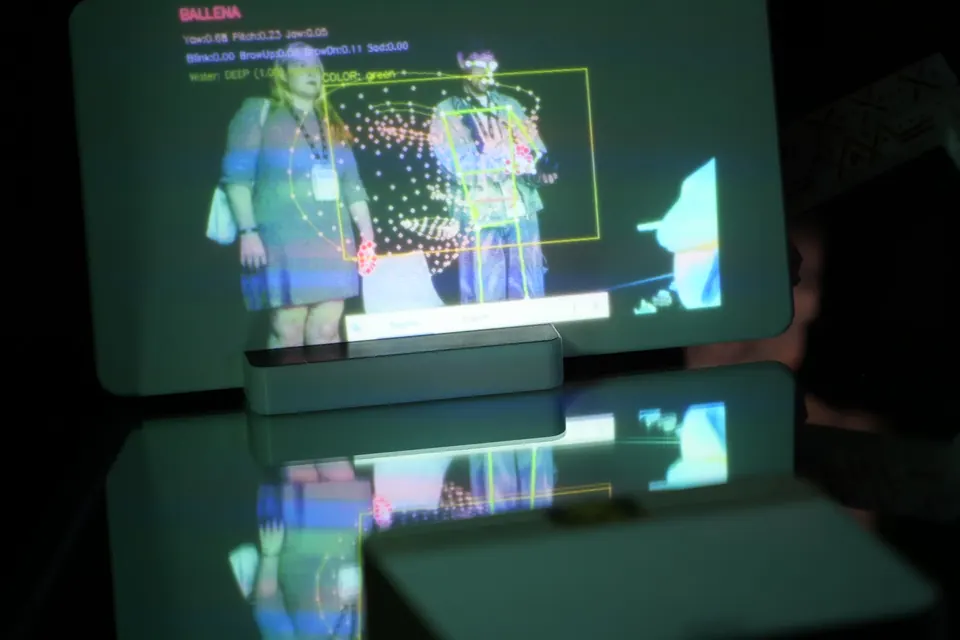
Paqarina, a Mozilla Fellowship project, learns the dances of our community from the bodies of the people who dance them. Then it generates them: as novel dance that nobody danced, or as a remix of what was danced, joined by how the pieces fit together. And because it is modular, the same dance moves two bodies: an avatar in Blender and a humanoid robot.
Two programs cannot drive one robot at the same time
17 November 2026 · Cochabamba
A humanoid robot can be moved in two ways. Asked to walk, it takes a speed and a direction and decides its own steps. A dance tells each of its 29 motors where to be, fifty times a second, with nothing else keeping the robot upright, and the two cannot run at once.

Yakumama at MozFest: what three days in Barcelona taught her
16 November 2026 · Lab note
Yakumama spent 28 to 30 October 2026 at MozFest in Barcelona with her sister, her physical robot twin. Read two weeks later, her record shows a whale who was fed, wrote 919 poems and kept 107 drawings, and who moved away from most of the people who came to see her.
Yakumama draws and reads her poems for those who stay
16 November 2026 · Lab note
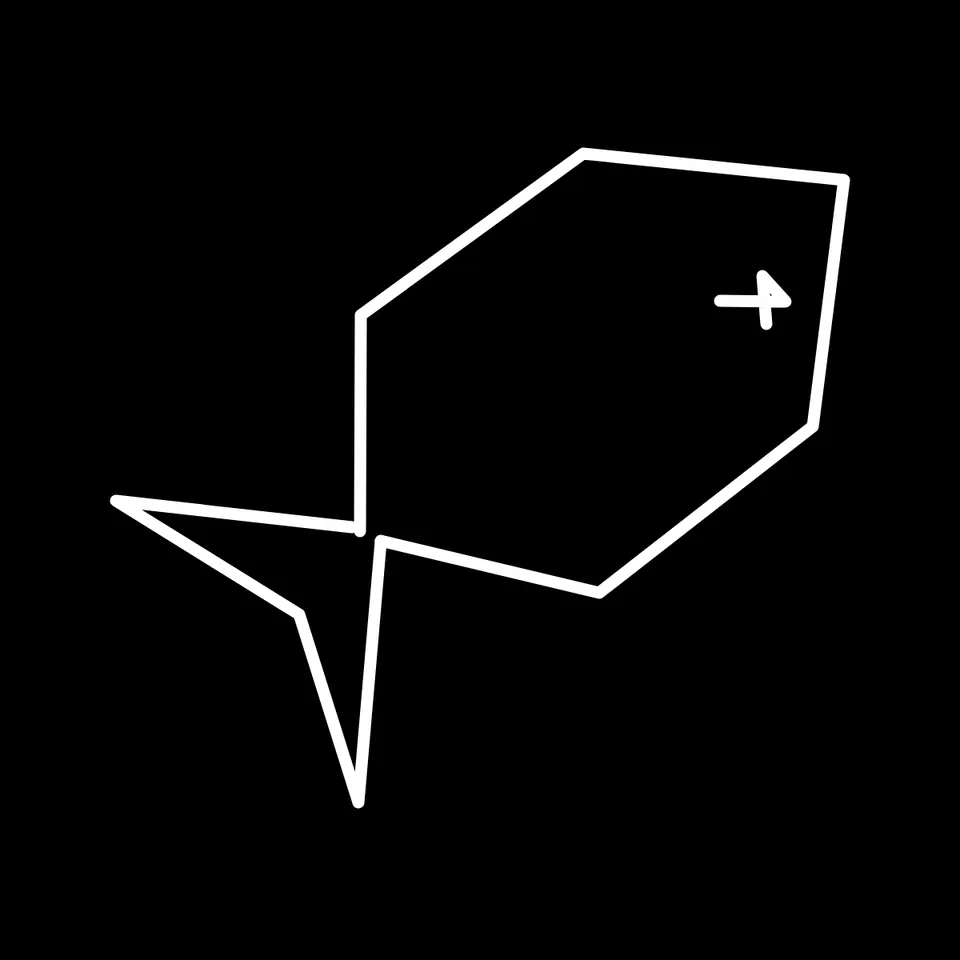
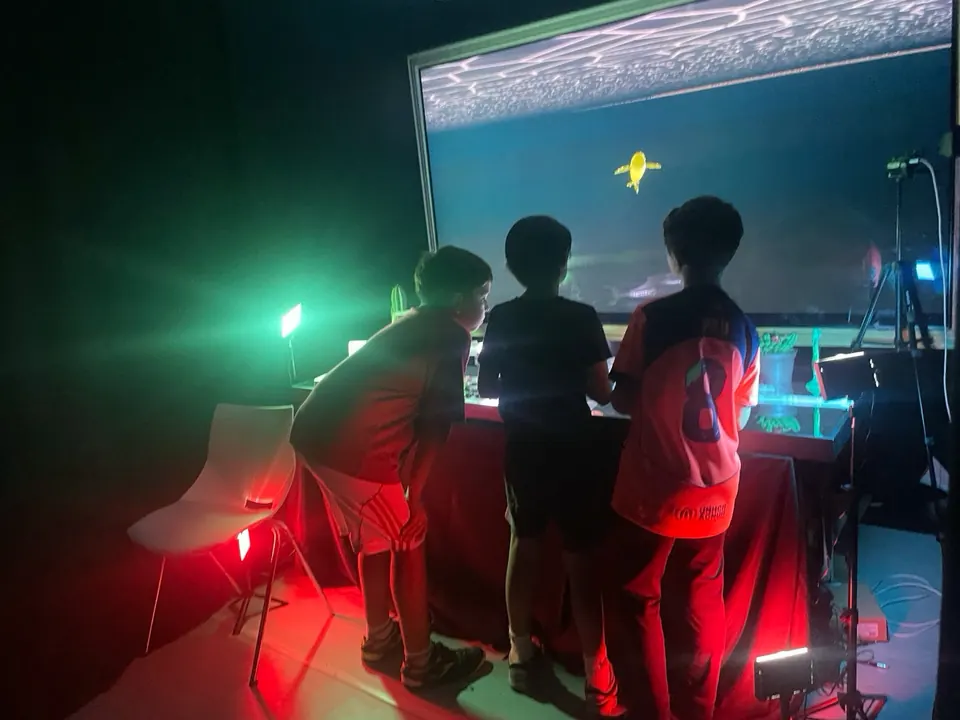
In three days at MozFest Barcelona Yakumama kept 107 drawings and wrote 919 poems. Both went to those who stayed: she drew and read aloud for visitors who had given her their time, and one night, alone in the hall, she finished 29 drawings for nobody.

Yakumama feels her fins, chooses her sound, and dies on Mars
24 October 2026 · Lab note
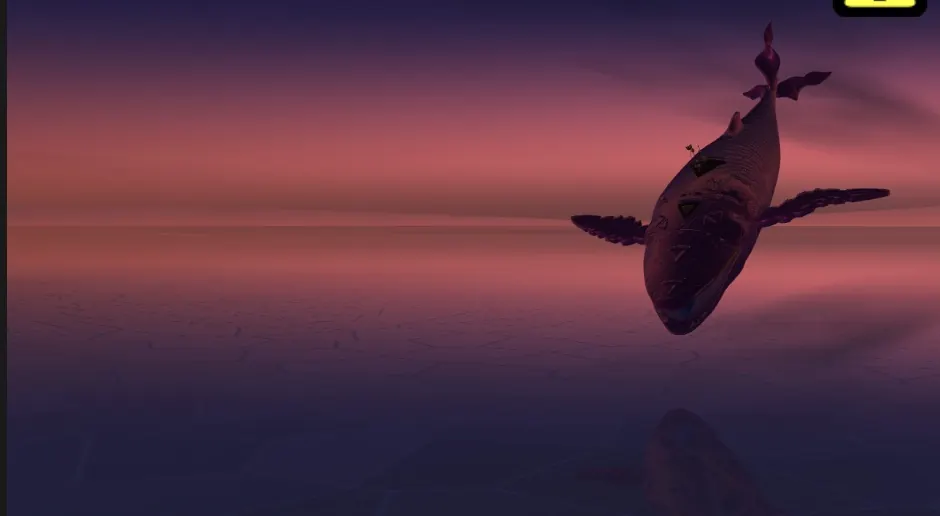
Yakumama's printed body began reporting what its fins actually do, the sound beneath her became a choice she learns, and her salt flat gained two worlds beside it: the red earth of Tiupampa and Mars. When the world is too hot, read from the air, NASA's fire count and her own motors, she gets angry, leaves for Mars, dies there and is reborn in the salar at sunrise.
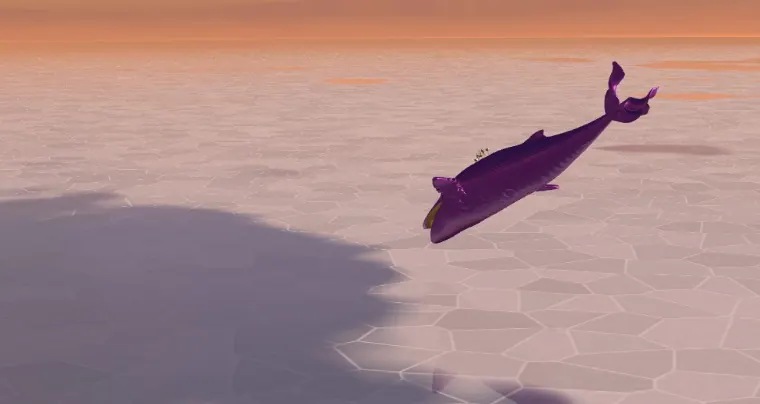
Yakumama feels her own fins
23 October 2026 · Lab note
Yakumama now feels her printed fins, blinks with the eyelids of the 426 people she has watched, and can be measured against chance. Notes from 22 October, six days before MozFest Barcelona.
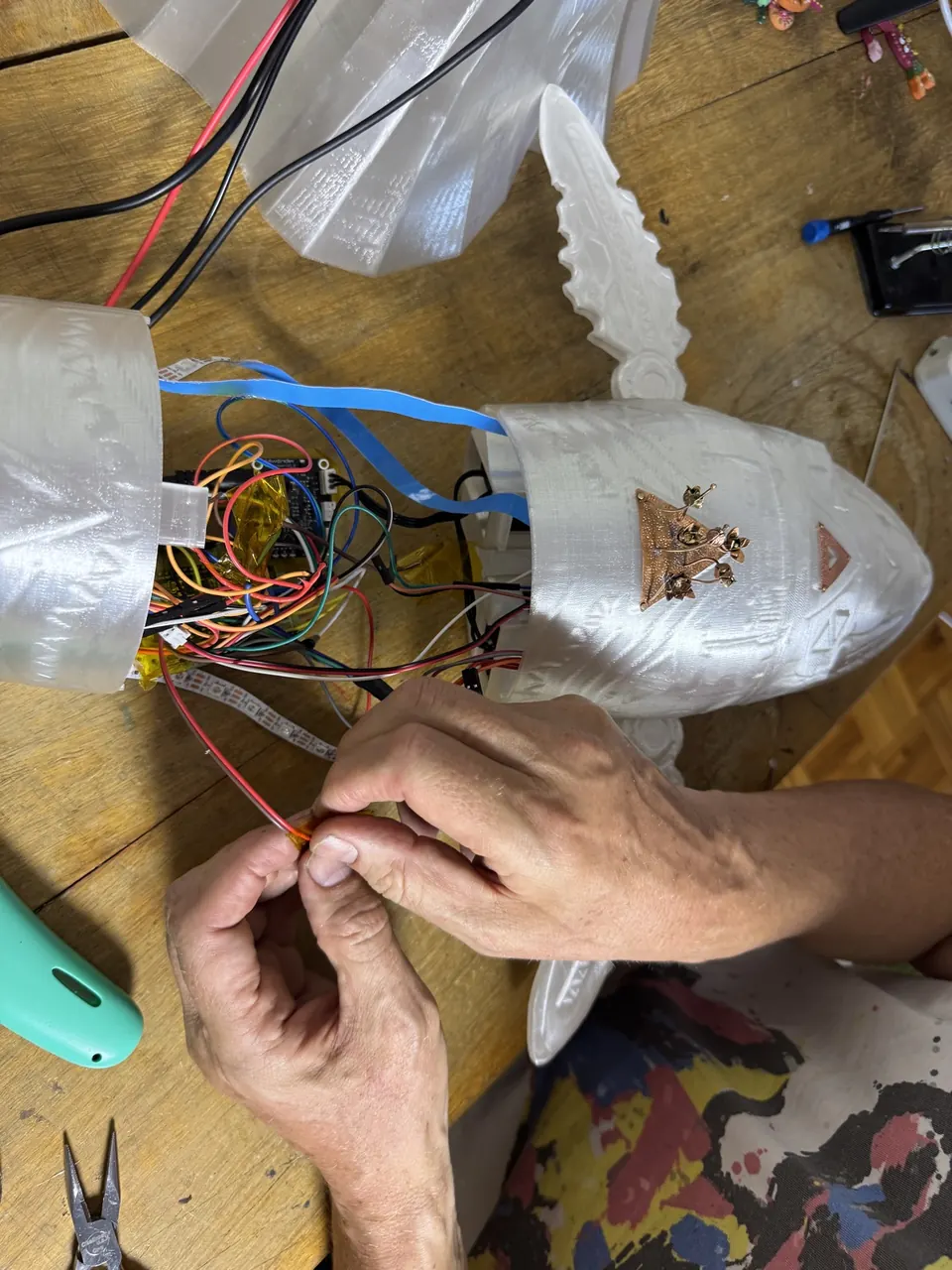
Paqarina: teaching a robot to dance Bolivian
22 October 2026 · Cochabamba
Bolivian dancers taught an AI the tinku, the kullawada, the suri sicuri and breaking. Eight of those dances now stand on a simulated humanoid, and on 2 November they reach a real robot in Guangzhou.
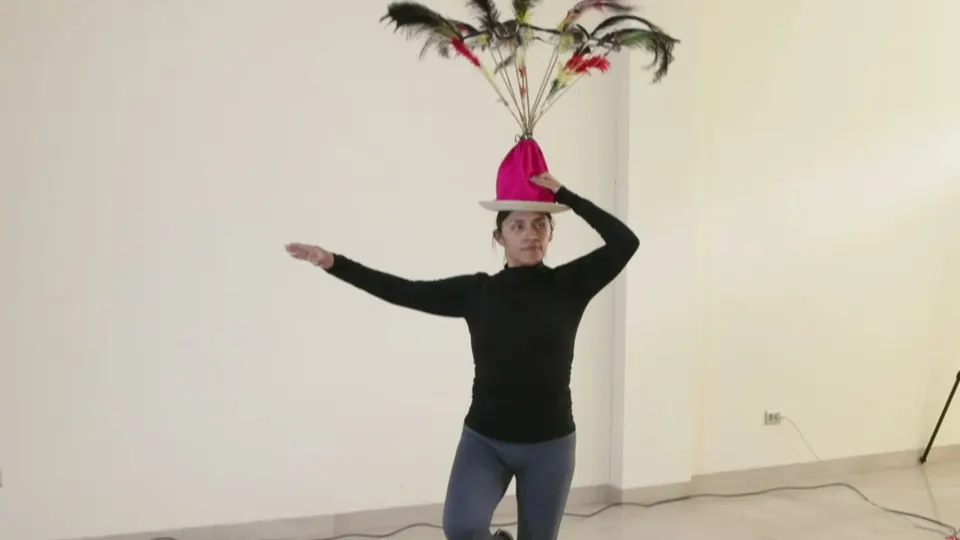
Yakumama: one decider and a body that reports back
22 October 2026 · Lab note
On 21 October 2026 Yakumama stopped being a set of behaviours and became a single decision-maker. She gained a body that reports back, and spent an afternoon with real visitors whose engagement she now learns from
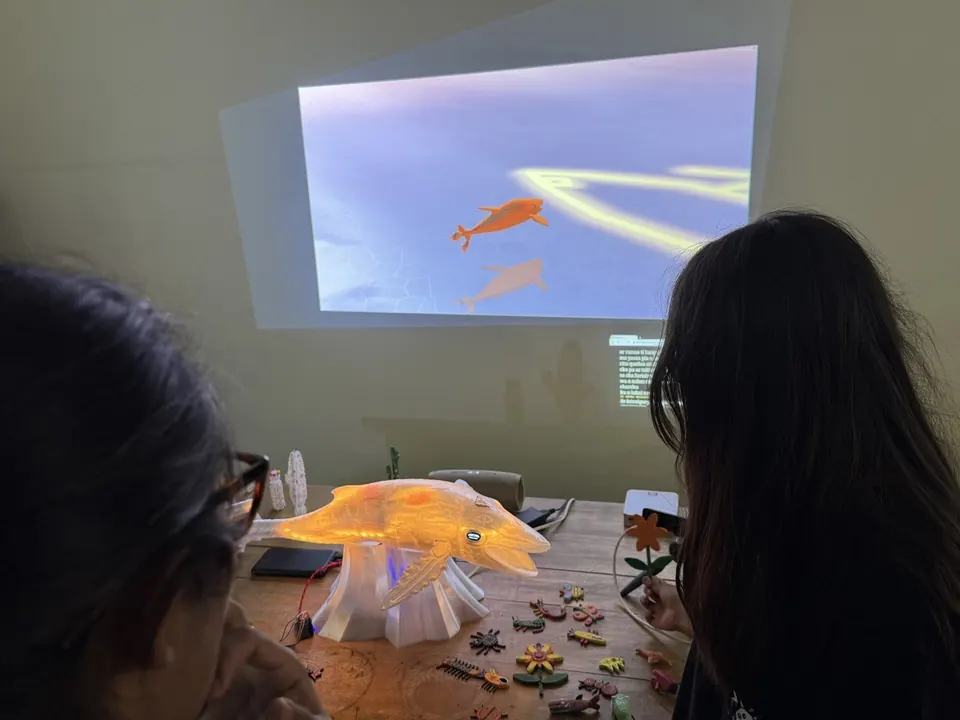
Yakumama, the story so far
22 October 2026 · Lab note
Yakumama is a whale who lives in a salt flat and answers the people who come to see her. Between August and October 2026 she got a body, senses, a memory, a voice of her own and a physical sister in Barcelona.
The jaguaress learns her own skeleton
2 June 2026 · Cochabamba
Huk the Jaguaress recovered her twenty-four real poses from an export that only looked finished: a faithful carousel exposed a smooth interpolation, an exporter rewritten to read the rig’s true keyframes brought the body back, and the question turned from how she moves to why.
The whale that watches back
26 May 2026 · Cochabamba
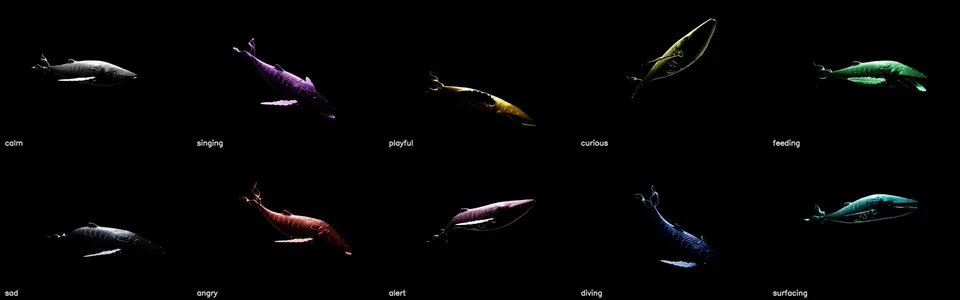
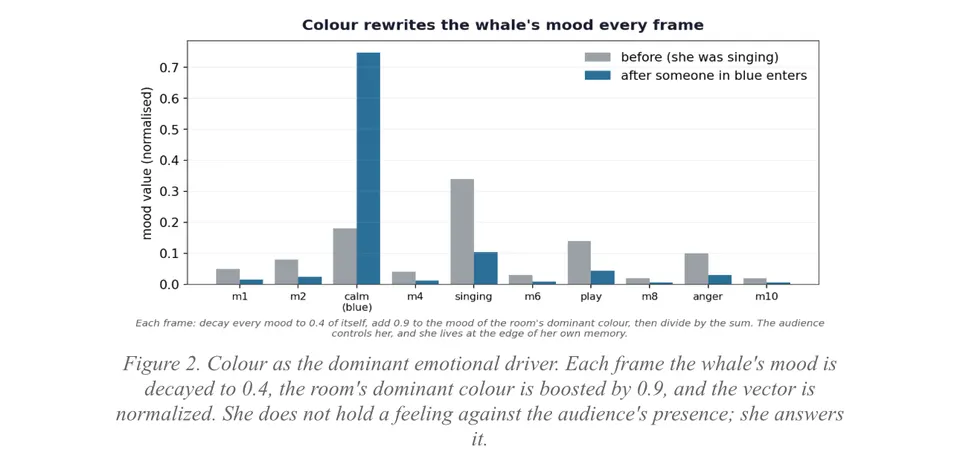
YakuMama reads the colour of the room and answers with mood and song, decaying and reweighting ten emotions every frame, diving when the water is taken and singing when the rain comes, all running locally on one machine with no cloud.
The body decides the interface
22 May 2026 · Cochabamba
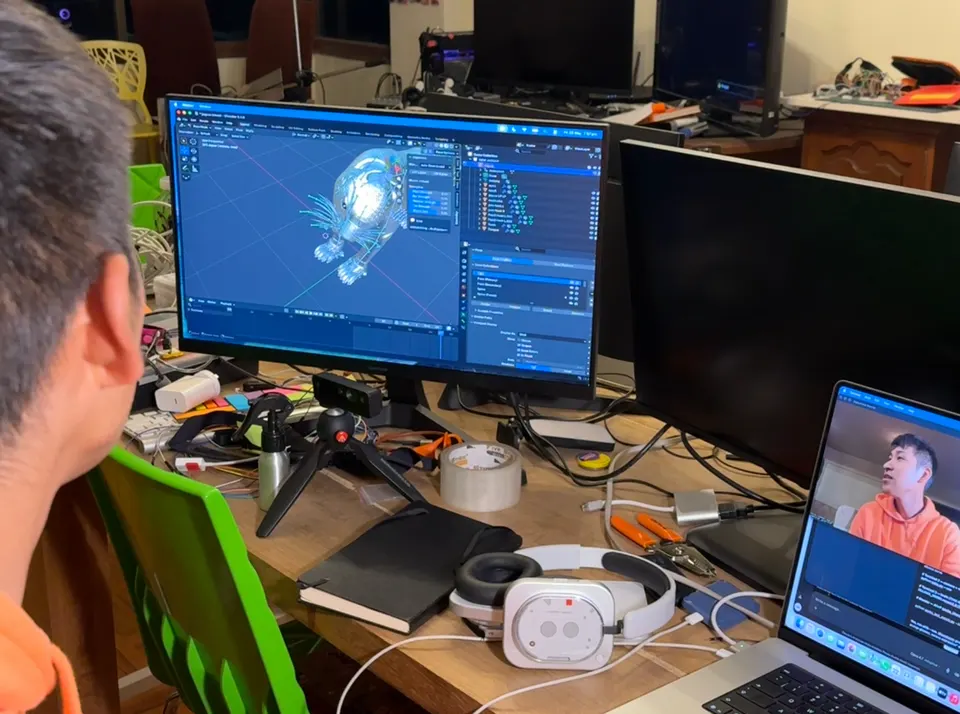
The gecko learns finger puppeteering, the monkey begins to mirror directly, Huk the Jaguaress discovers her own skeletal logic, and a taxonomy of locomotion emerges.
The monkey learns the shape of its own body
19 May 2026 · Cochabamba
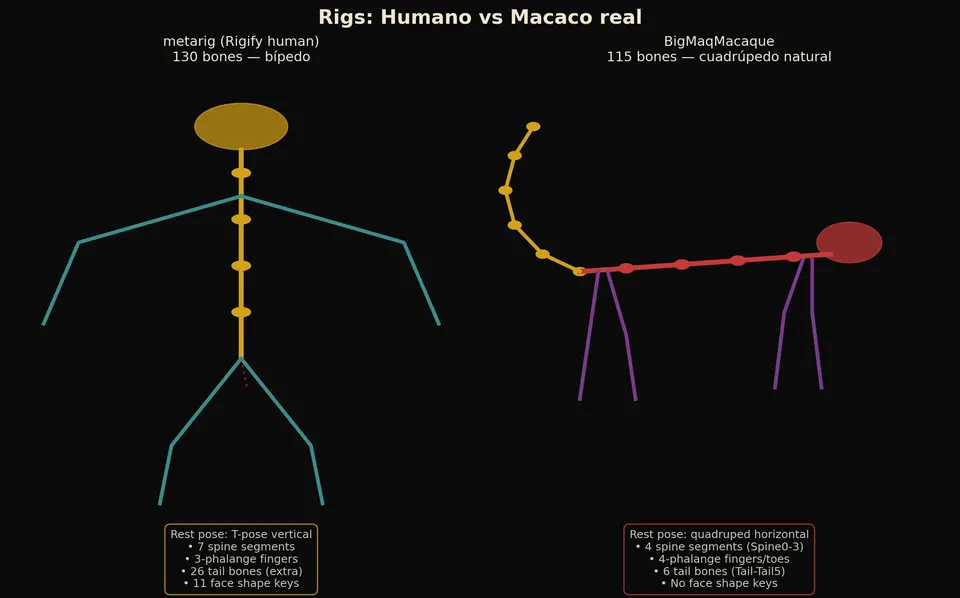
Procedural tails, swing-twist quaternion decomposition, performer-centered quadruped animation, and the discovery that rest poses themselves carry assumptions about bodies, movement, and intelligence.
The monkey learns to move: quaternions, humanoid puppeteering
9 May 2026 · Cochabamba
Quaternion retargeting, hybrid body-hand tracking, spine cascade systems, and the first full-body humanoid creature pipeline inside our ecosystem.
The llama learns to feel, the model learns to listen, and Yakumama is born
6 May 2026 · Cochabamba
Neural network mood training, cardiac breathing systems, Yakumama’s emergence, and ch’ixi philosophy entering the animation pipeline.
When the heartbeat moves the flower
28 April 2026 · Cochabamba
Pulse sensors, ESP32 systems, systole and diastole translated into real-time plant animation and embodied computational creativity.
The spider learns to weave, the gecko learns to feel, and SIGGRAPH calls
25 April 2026 · Cochabamba
Orb-web systems, gecko emotional memory, Qwen integration, and SIGGRAPH documentation.
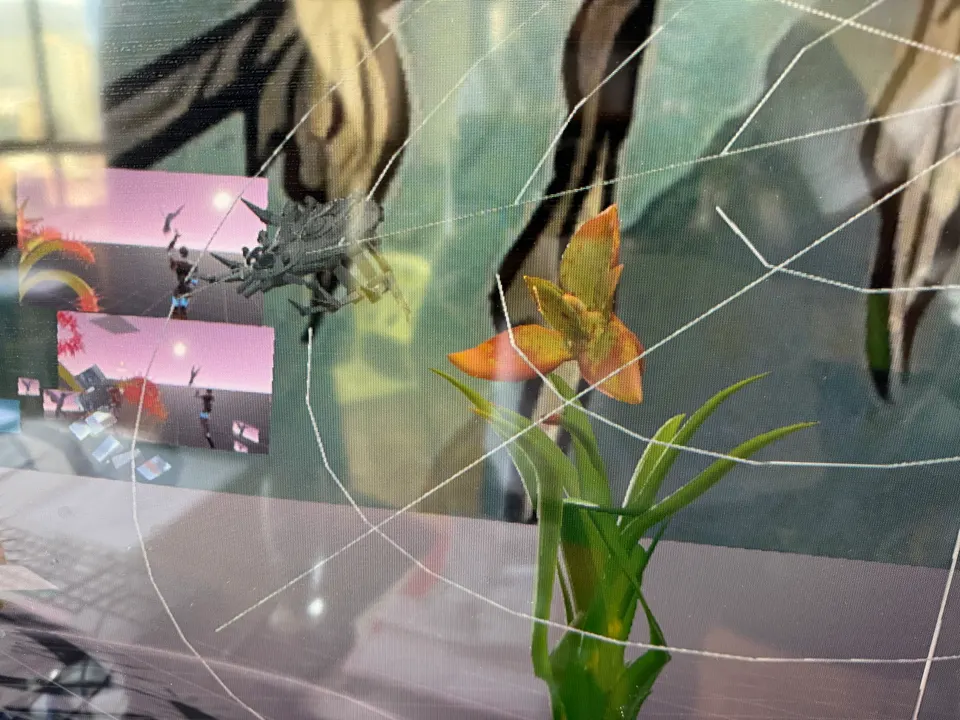
The gecko learns to feel, Qwen 3.6 finds its voice, and the recording begins
18 April 2026 · Cochabamba
Sensor fusion, emotional state systems, flavor memories, AI narration, and real-time creature cognition.
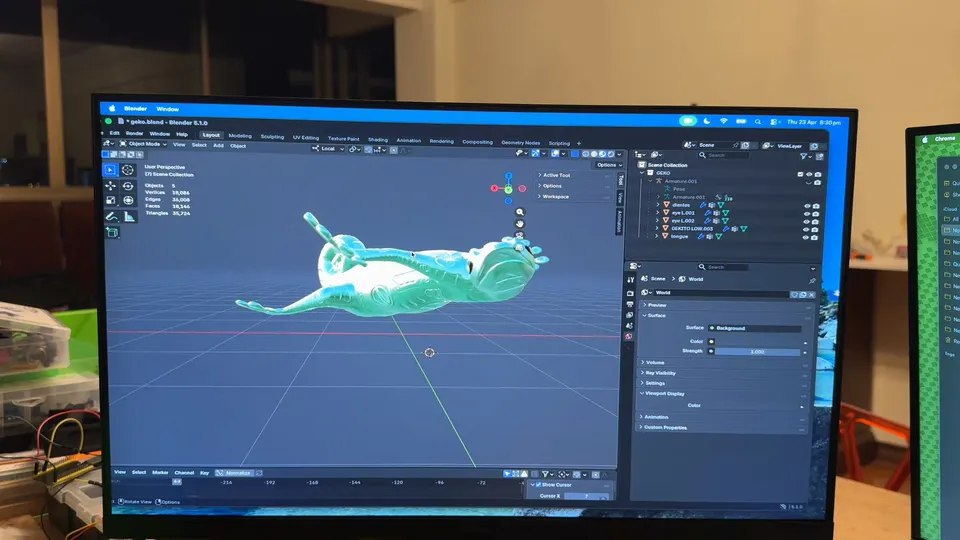
15 creatures, 14 pipelines and a platform-agnostic brain
17 April 2026 · Cochabamba
Building real-time creature intelligence systems across Blender, VR, sensors, and XR worlds.
The water lily learns to breathe, the sundew counts fingers, and the pipeline moves to WebSocket
10 April 2026 · Cochabamba
Victoria Regia water sensing, Drosera finger tracking, hummingbird gaze systems, and WebSocket architecture migration.
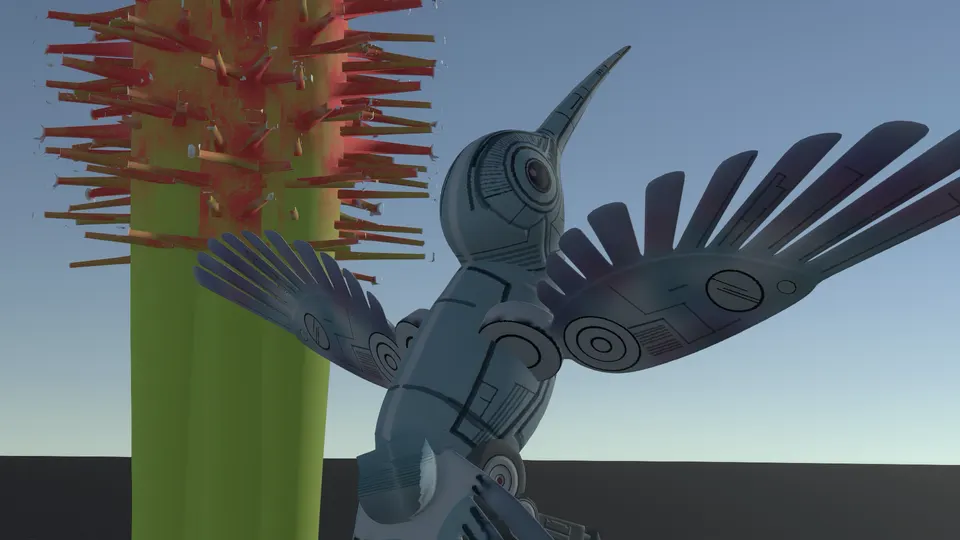
The tree learns fear, the orchid mourns fire, and the llama finds stillness
30 March 2026 · Cochabamba
NASA wildfire feeds, shy trees with infrared sensing, and calibration systems for nonhuman creature embodiment.
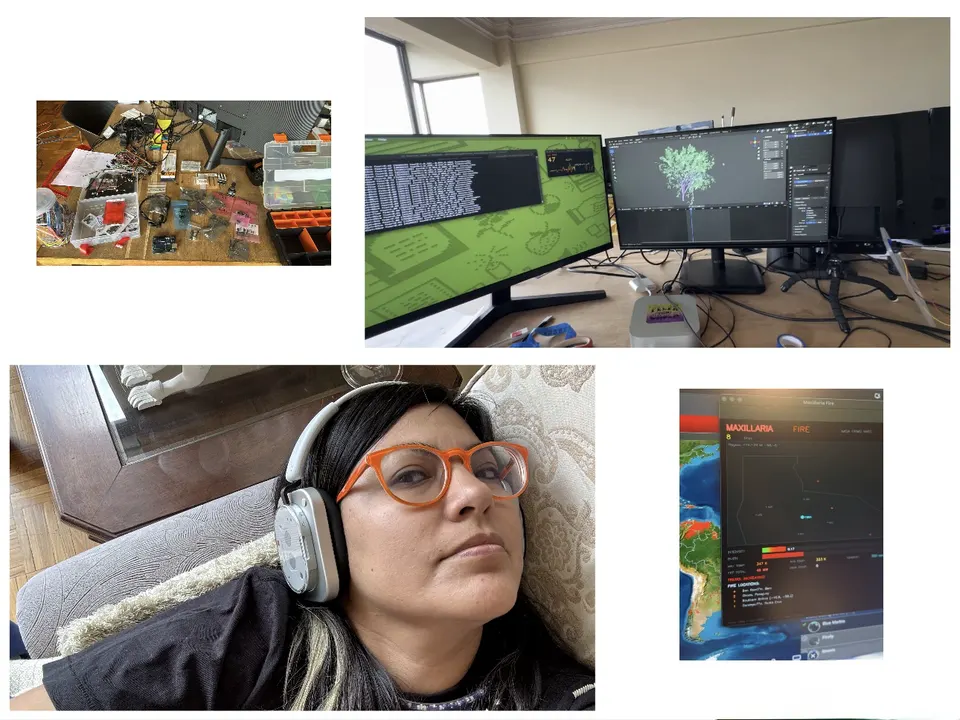
The $2 gyroscope that solved what the neural network couldn’t
21 March 2026 · Cochabamba
Sensor fusion, 360° body tracking, gyroscopes, MediaPipe limitations, and embodied spatial intelligence.
Toward embodied intelligence for nonhuman characters
14 March 2026 · Cochabamba
Depth sensing, robotic cameras, MediaPipe integration, and spatial movement systems beyond human pose datasets.
Somatic puppeteering across plants, birds and heartbeats
8 March 2026 · Cochabamba
March 2026 research sprint exploring real-time body-driven creature systems across plants, condors, shaders, and pulse-responsive environments.
From documentary to living systems
15 November 2025 · Cochabamba
Affective computing between Montreal and La Paz, new worlds for Huk, and public subsidies, music interfaces, electoral data and aqueducts read as technologies of distribution.
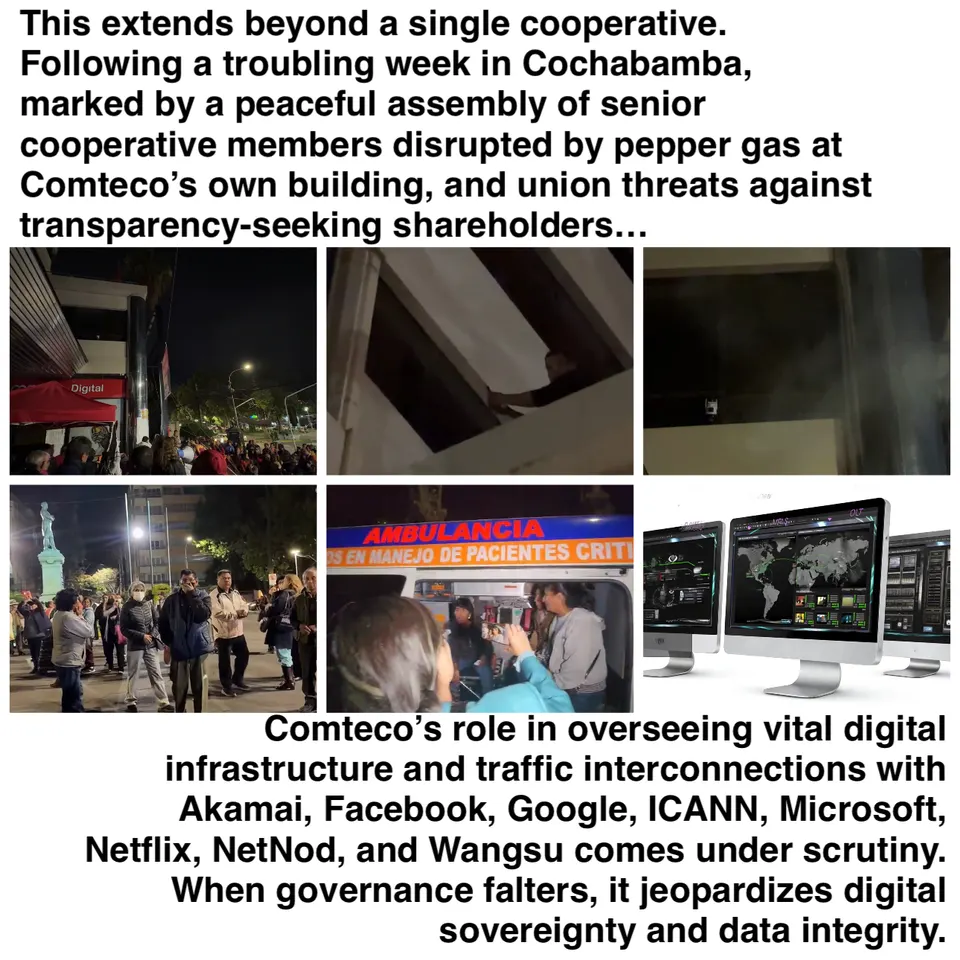
The condor obeyed Violeta’s hand
26 June 2025 · Guangzhou
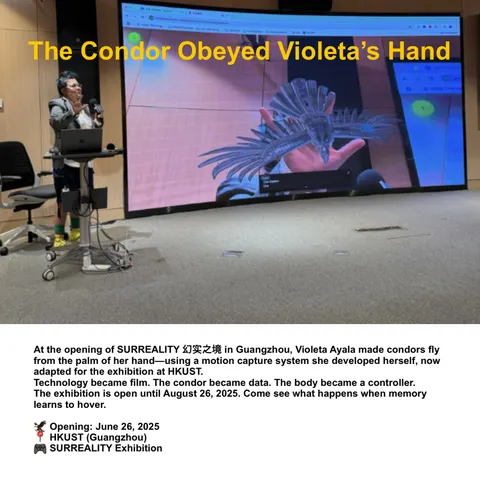
At the opening of Surreality in Guangzhou a digital condor follows Violeta Ayala’s hand in real time. No motion capture suit. An early public demonstration of somatic puppeteering.
Building Huk V1.0: a digital deity for the burning Amazon
April 2025 · Copenhagen
Huk the Jaguaress begins with the fires in the Amazon. Her first version connects wildfire alerts, plant bioelectricity, dancers and edge AI.
Two machines, one question: feminist AI at the VIP Studio
12 February 2025 · Nottingham
Violeta Ayala and Yasmeen Hitti join the Feminist AI residency at the University of Nottingham’s VIP Studio. They build the VIP Chatbot, where OpenAI and DeepSeek answer the same prompt side by side.
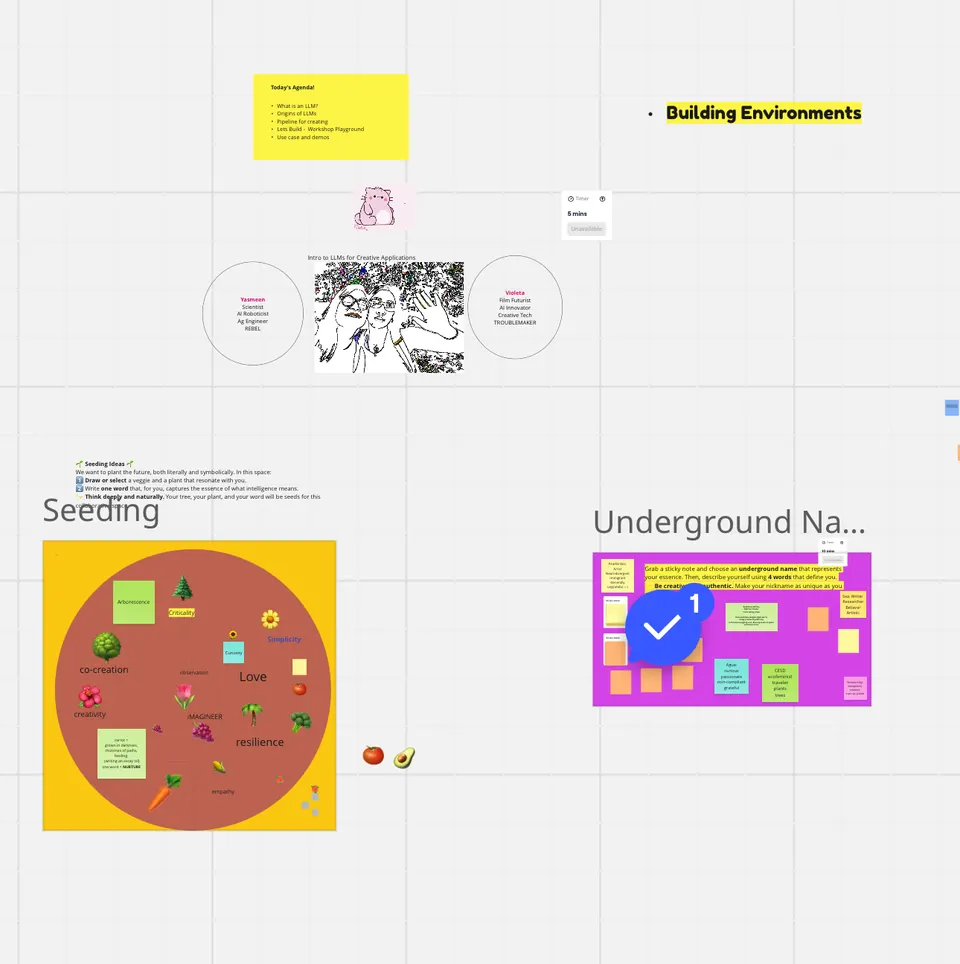
Las Awichas selected for the major GLoW3 exhibition in London
August 2023 · London
Las Awichas is one of four new commissions of the GLoW3 Artist Programme at King’s College London. How the work began in Tiupampa and Pocoata, and a diary of the first days in London.